Dynasty Fallen · Vol. XI

Anastasia
Vol. XI

Daughter of all the Russias. The fallen dynasty made flesh. The lie that would not stay buried.
They made a fairy tale of my murder. The album takes the documented record over the cartoon.

The story

The night of 16–17 July 1918
The Ipatiev House, Yekaterinburg
A murdered girl, resurrected as a fairy tale

Grand Duchess Anastasia Nikolaevna Romanova (1901–1918) was the youngest daughter of Tsar Nicholas II — “Emperor and Autocrat of All the Russias” — and Empress Alexandra. She was the family clown, nicknamed Shvybzik (“imp”); she and her three sisters, Olga, Tatiana, and Maria, signed their letters collectively as OTMA. Her younger brother Alexei, the heir, carried a haemophilia kept as a state secret — the hidden wound that drew Rasputin to court and helped rot the throne’s legitimacy. The First World War broke the dynasty: military catastrophe, Rasputin’s murder, the February Revolution, and Nicholas’s abdication in March 1917. The family passed from palace house-arrest to Tobolsk and then to the Ipatiev House in Yekaterinburg, which the Bolsheviks called, with bureaucratic calm, the House of Special Purpose.

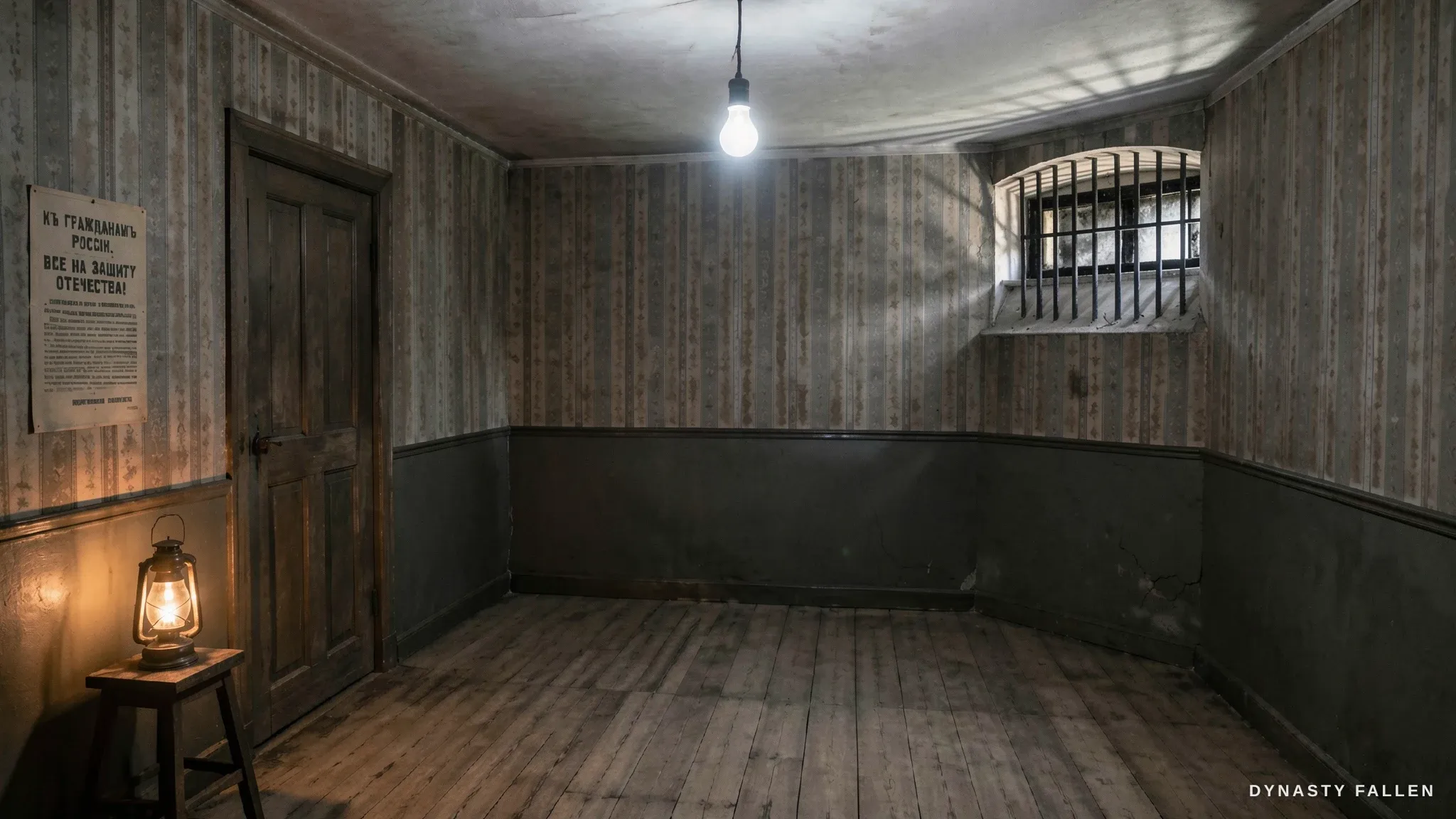
On the night of 16–17 July 1918, eleven captives — the seven Romanovs and four retainers — were led to a basement room “for a photograph.” A death sentence was read; a squad opened fire. The killing did not go cleanly: the empress and her daughters had sewn diamonds and jewels into their corsets and bodice linings, and the gems acted as crude armour — bullets deflected, and the girls survived the first volley. The squad finished them with bayonets and point-blank shots. The bodies were stripped, doused in sulphuric acid, and pit-buried in the Koptyaki forest, two of the children burned and buried separately. Because two bodies were missing from the main grave, a survival legend grew — that Anastasia had escaped.

The legend outlived the evidence by decades. Dozens of impostors appeared; the famous one, Anna Anderson, was championed for over fifty years and proven by DNA, in 1994, to be Franziska Schanzkowska, a missing Polish factory worker. The main grave was found in 1979 and exhumed in 1991; the two missing children were found in 2007 and DNA-confirmed in 2008 — proving that none of the four daughters survived. The mystery was scientifically closed. The fairy tale was not: Anastasia (1956) won Ingrid Bergman an Oscar for dignifying the impostor’s story, and Anastasia (1997) resurrected the murdered girl as an amnesiac princess chased by an undead sorcerer Rasputin — an animated musical made after DNA had begun closing the case.

The album takes the documented record over the cartoon. Her Greek name means resurrection — and that is exactly what the world did to her: not the girl, but the lie rose. Vol. XI commits to that frame across nine tracks: the gilded house with the rot inside it, the move east to the House of Special Purpose, the cellar and the jewels that only made the dying slower, the forest that kept the secret, the woman who said she was her, the fairy tale of her murder, and the DNA that finally let a seventeen-year-old girl stay dead. The thesis — they made a fairy tale of my murder — is the album’s spine, and the name-irony its secret engine: every impostor and every cartoon was the world trying to make “Anastasia” come true. The album’s answer is that the girl stayed dead, and only the lie rose.

Album in active production. 10 of 10 tracks released.
The world of Anastasia

Her story, place by place.

Drawn from the videos — each frame opens its track.

Music videos

Out now.

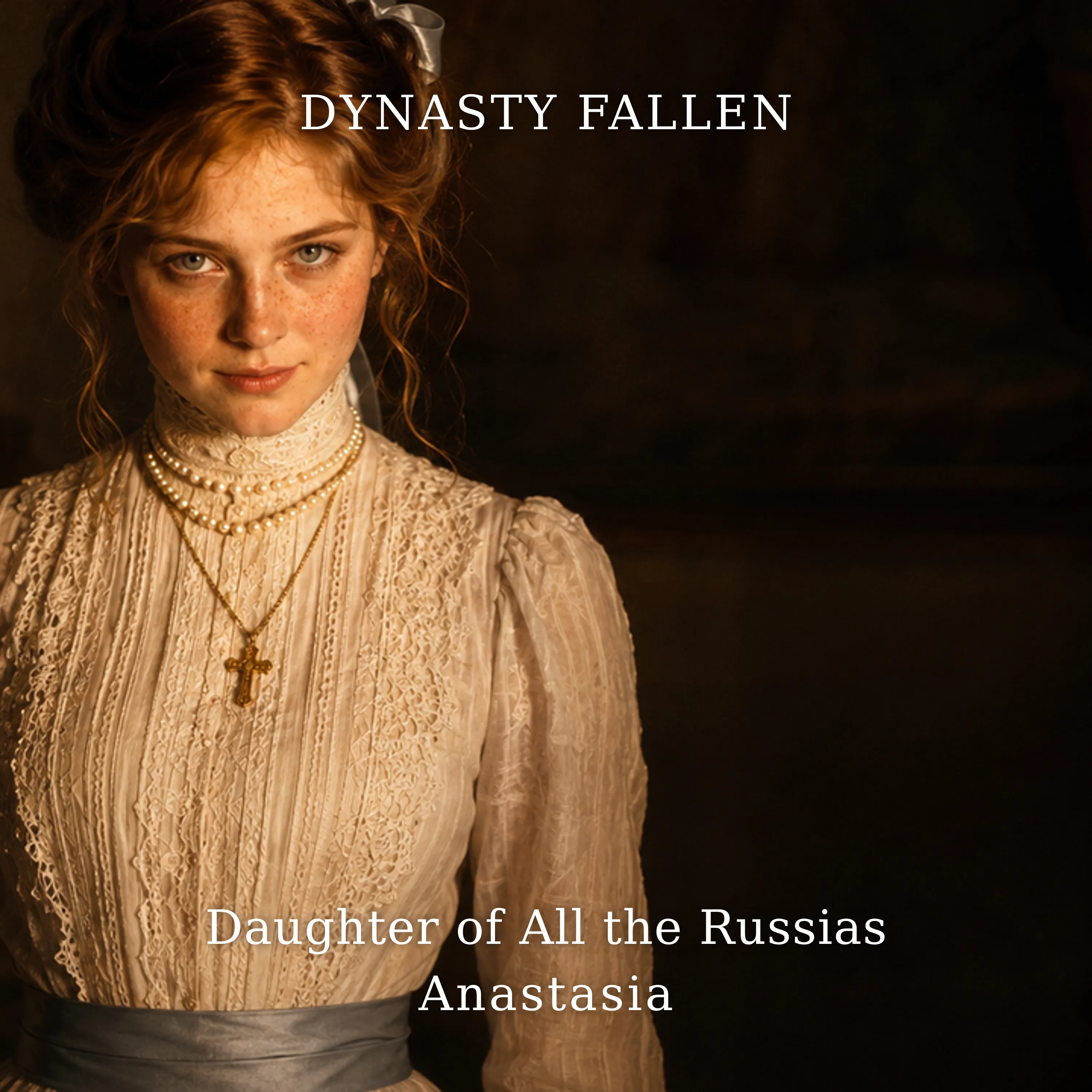
The first track opens on the youngest of the four sisters in the gold of the palace — the name that means resurrection planted as dramatic irony before the world comes down. The album's thesis lands later: they made a fairy tale of my murder.

Track list

Nine tracks. Three acts.

Three acts: the dynasty at its gilded height with the rot already inside it; the move east to the House of Special Purpose and the cellar; and the lie — the impostors, the cartoon, and the DNA that finally closed the case the fairy tale kept selling.

Questions

About Anastasia.

The short answers — with links into the lyrics and the annotated history where the record gets interesting.

Who was Anastasia Romanov?
Grand Duchess Anastasia Nikolaevna (1901–1918) was the youngest of the four daughters of Tsar Nicholas II, the last emperor of Russia, and the Empress Alexandra. Known in the family as the clown — nicknamed Shvybzik (‘imp’) — she was seventeen when she was murdered with her parents, her three sisters, her brother and four retainers in the cellar of the Ipatiev House in Yekaterinburg on the night of 16–17 July 1918. Dynasty Fallen Vol. XI traces her arc across nine tracks, from the palace gold to the cellar to the ninety-year fairy tale that followed.
Did Anastasia survive the execution?
No. The survival story is a legend that DNA disproved. The main Romanov grave in the Koptyaki forest was exhumed in 1991 and identified through the 1990s; a second grave found in 2007 held the last two children, confirmed by DNA in 2008. All four daughters died in the cellar — there is no missing Anastasia. Every ‘surviving Anastasia’ claim, including the famous one, has been forensically excluded.
The empty Ipatiev House cellar where the Romanov family was killed.
Was Anastasia's body ever found?
Yes. The bodies were stripped, doused with acid and pit-buried in the Koptyaki forest outside Yekaterinburg, with two of the children burned and buried separately to confuse any count. The main grave was located by amateur investigators in 1979 and officially exhumed in 1991. The two missing children — the Tsarevich Alexei and one sister — were found in a second grave about seventy metres away in 2007 and DNA-confirmed in 2008, closing the case.
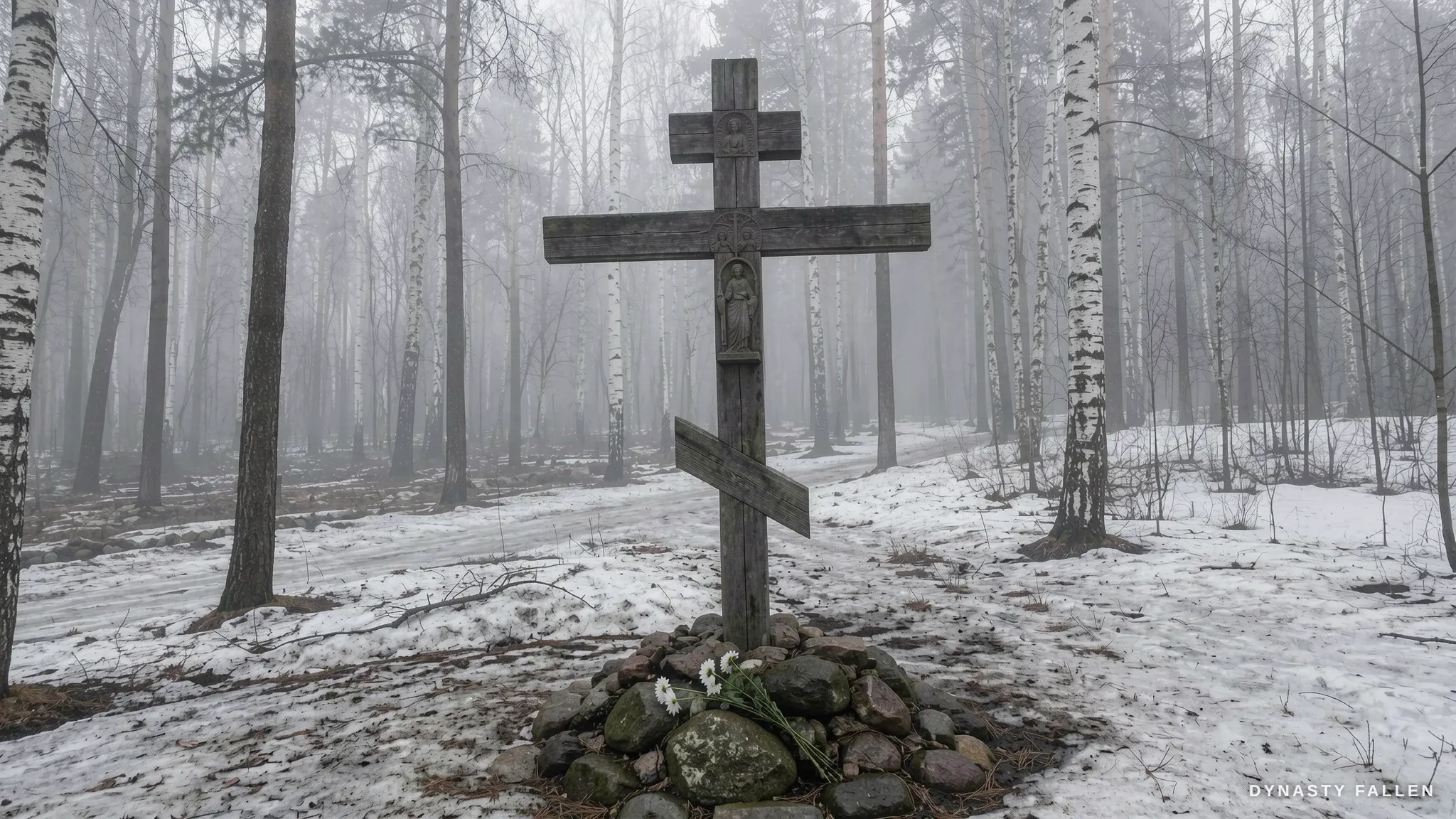
The Orthodox grave-cross at Ganina Yama in the Koptyaki forest, near Yekaterinburg.
Why didn't the bullets kill the Romanov daughters at once?
Because the Empress and her daughters had sewn diamonds and jewels into the linings of their bodices — the family’s hidden wealth, carried against the day they might need it. When the firing squad opened fire in the cellar, the first volley partly deflected off the stiff jewelled corsets, so the girls did not die immediately and the killers finished the work with bayonets and point-blank shots. The armour that was meant to save them prolonged the killing. This is documented in the killers’ own accounts and is the subject of the album’s centerpiece, Sew the Jewels In.
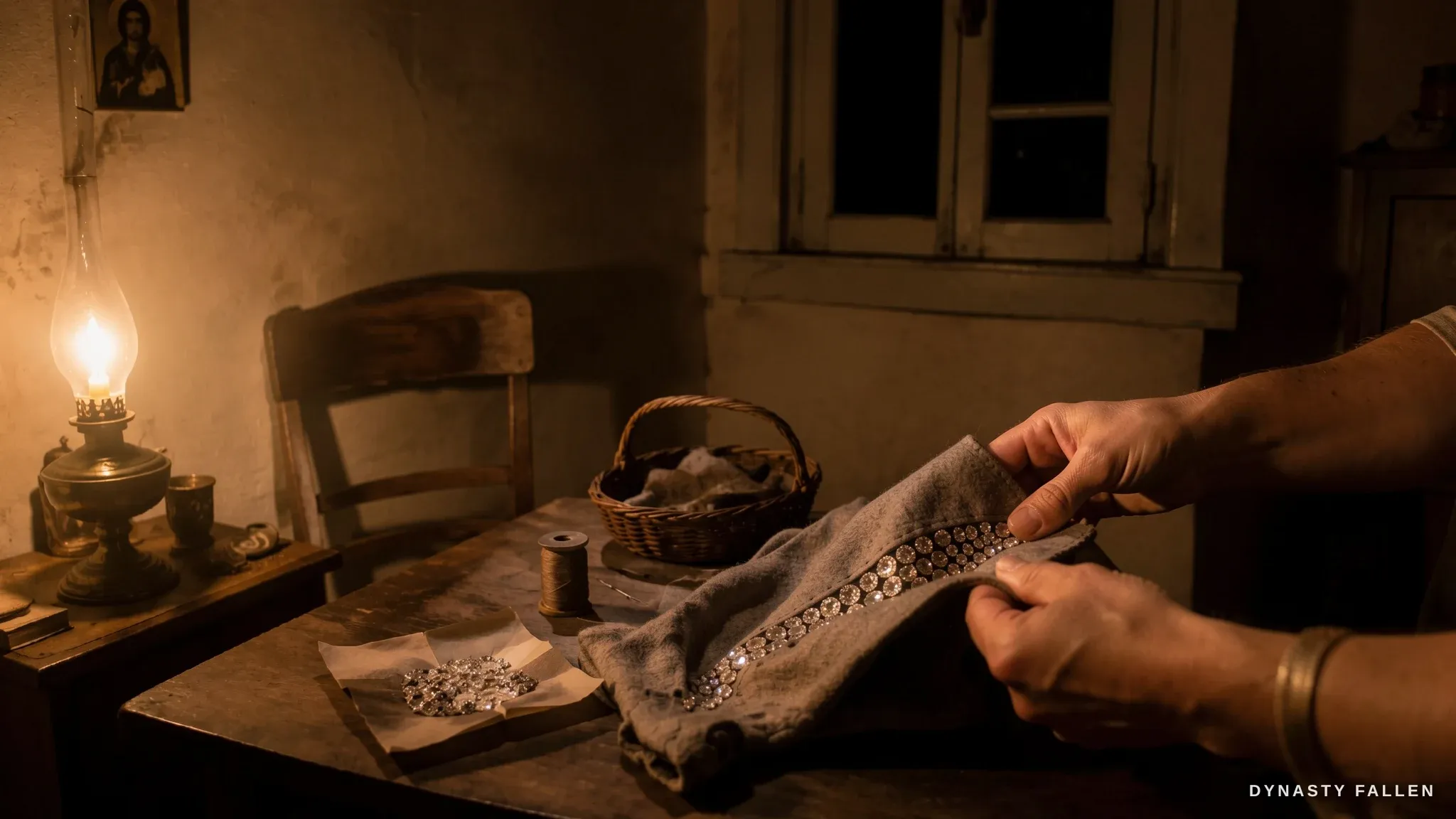
The finished jewel-lined bodice, hidden diamonds sewn into the lining.
What does the name Anastasia mean?
Anastasia is Greek for ‘resurrection’ or ‘the one who rises’. The album turns this on its irony: the world spent ninety years trying to make her name come true through impostors and cartoons, but the forensic record says the girl stayed dead — only the lie rose. The closing track, The Only Thing That Rose, reclaims the name from the fairy tale.
Who was Anna Anderson?
Anna Anderson was the most famous of the dozens of women who claimed to be the surviving Anastasia. Championed for over fifty years and the subject of films and a long legal battle, she was proven by DNA in 1994 — after her death — to have been Franziska Schanzkowska, a missing Polish factory worker. She is the human face of the lie in the album’s Act III, on The Woman Who Said She Was Me.
Where is the Ipatiev House, the ‘House of Special Purpose’?
The Ipatiev House stood in Yekaterinburg, in the Urals, about 1,400 km east of Moscow. The Bolsheviks requisitioned the merchant’s house, walled it with a timber palisade and called it the ‘House of Special Purpose’ — the bureaucratic euphemism that gives Track 04 its title. The house was demolished in 1977; the Church on the Blood, consecrated in 2003, now stands on the site, and the present-day Rei of the album moves through it as the modern witness.
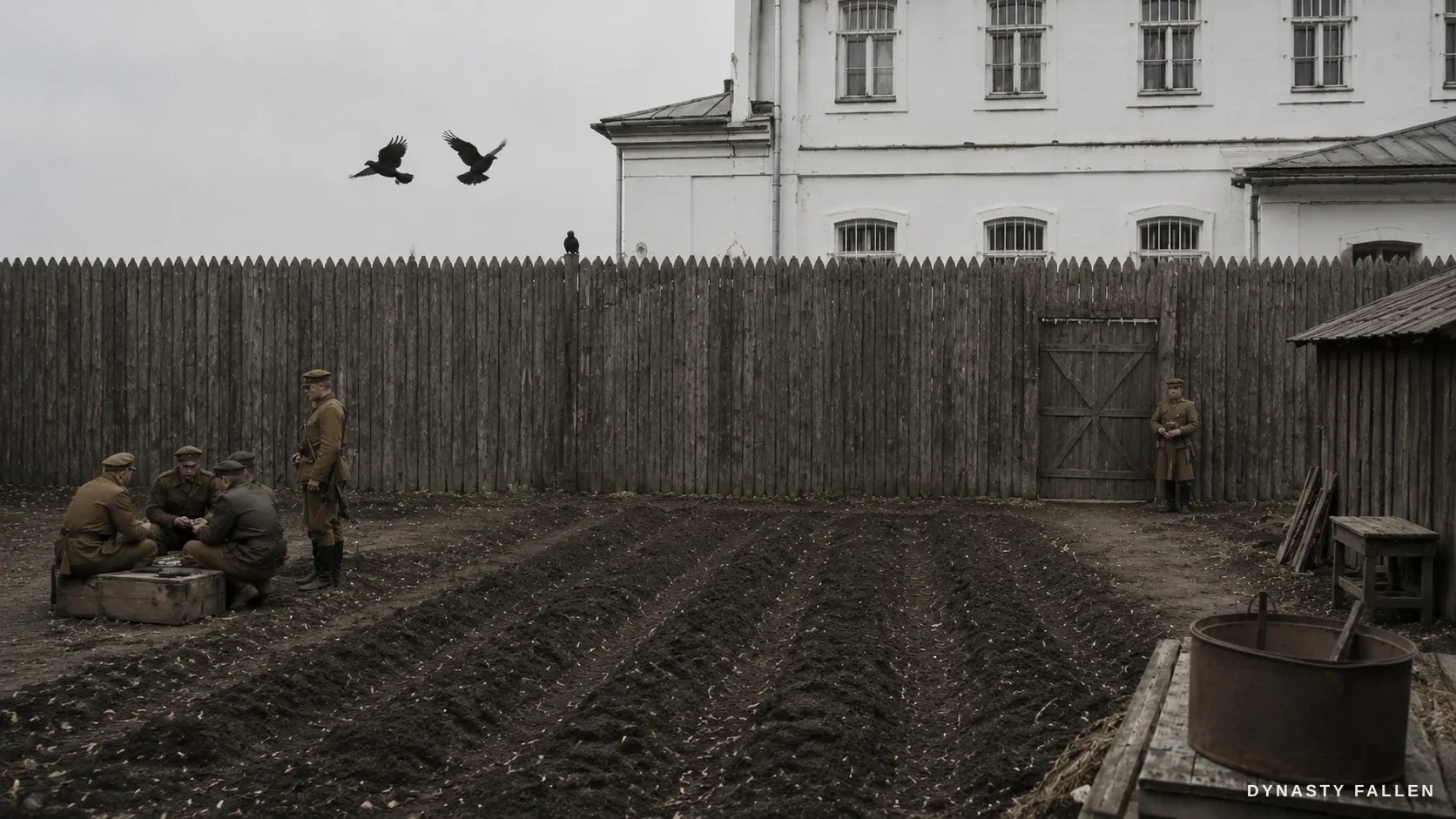
The Ipatiev House behind its high timber palisade fence, Yekaterinburg, 1918.
Is the 1997 animated Anastasia film true?
No. The 1956 Ingrid Bergman film and the 1997 Fox animation (with Rasputin reimagined as an undead sorcerer) are both built on the survival legend — a murdered child rewritten as an amnesiac princess who escapes. The 1997 film was made after DNA work had already begun closing the case. The album’s angriest track, A Fairy Tale of My Murder, is aimed directly at this: the desecration of turning a real murdered girl into a musical.

Where to listen

New tracks drop through the cycle.

Stream the album on your service of choice. Music videos go up on YouTube.