Truth, Saga
& Legend
What’s documented, what’s tradition, what’s storyteller’s flourish.
An annotated history of Zenobia of Palmyra.
The premise
Zenobia of Palmyra is the rare ancient woman with a contemporary record. Roman historians, papyri, coins, and inscriptions all corroborate her existence and the broad sweep of her career. The dramatic detail comes from later sources — particularly the Historia Augusta — that are themselves problematic. This page sorts what's solid from what's flourish.
The principal narrative source is the Historia Augusta — a collection of Roman imperial biographies from the late fourth century, written under a pen name. It is detailed, vivid, and unreliable in the specific way fourth-century Roman pseudohistory always is: it invents speeches, fabricates correspondence, and shapes its women into types. It also preserves details corroborated nowhere else, which historians cautiously trust because no better source exists.
Around the Historia Augusta stand more sober witnesses: Zosimus's New History (early fifth century, working from earlier material), Eutropius's Breviarium (fourth century), Aurelius Victor's De Caesaribus. For the documented spine of her career — her conquests, the dates of her rule, her assumption of titles — there are also coins struck in her name, papyri dated to her reign, and inscriptions at Palmyra itself. The skeleton is solid; the flesh is Historia Augusta.
Vol. V takes the documented record where it speaks clearly, accepts the Historia Augusta where its details ring plausibly, and is honest about the difference.
Verdicts below: Documented · From the sources · Legend & flourish.
Documented
What multiple independent sources agree on.Zenobia ruled the Palmyrene Empire and declared herself Augusta of the East.
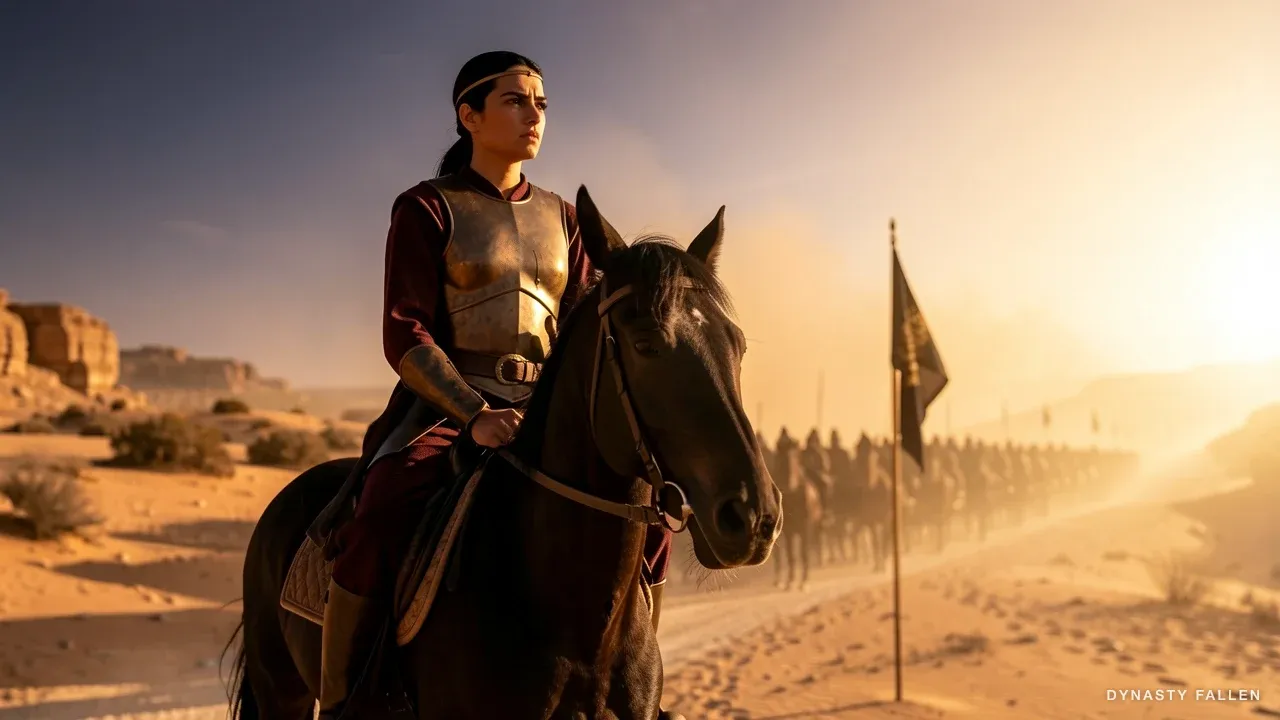
The political shape of her reign is unambiguously contemporary. Coins struck at Antioch and Alexandria name Vaballathus (her son) as Augustus and Zenobia herself as Augusta — a direct challenge to the title held by the emperor in Rome. The break comes late, in the spring of 272: for the eighteen months before it the same mints had named Aurelian as the senior figure, and that earlier fiction is treated separately below. The numismatic record is the strongest possible kind of evidence either way: dated, public, and uncoordinated with the literary tradition. Whatever else the Roman histories embellish, the political fact of her self-elevation is fixed — and so is how briefly it lasted.
She conquered Egypt in 270 AD.
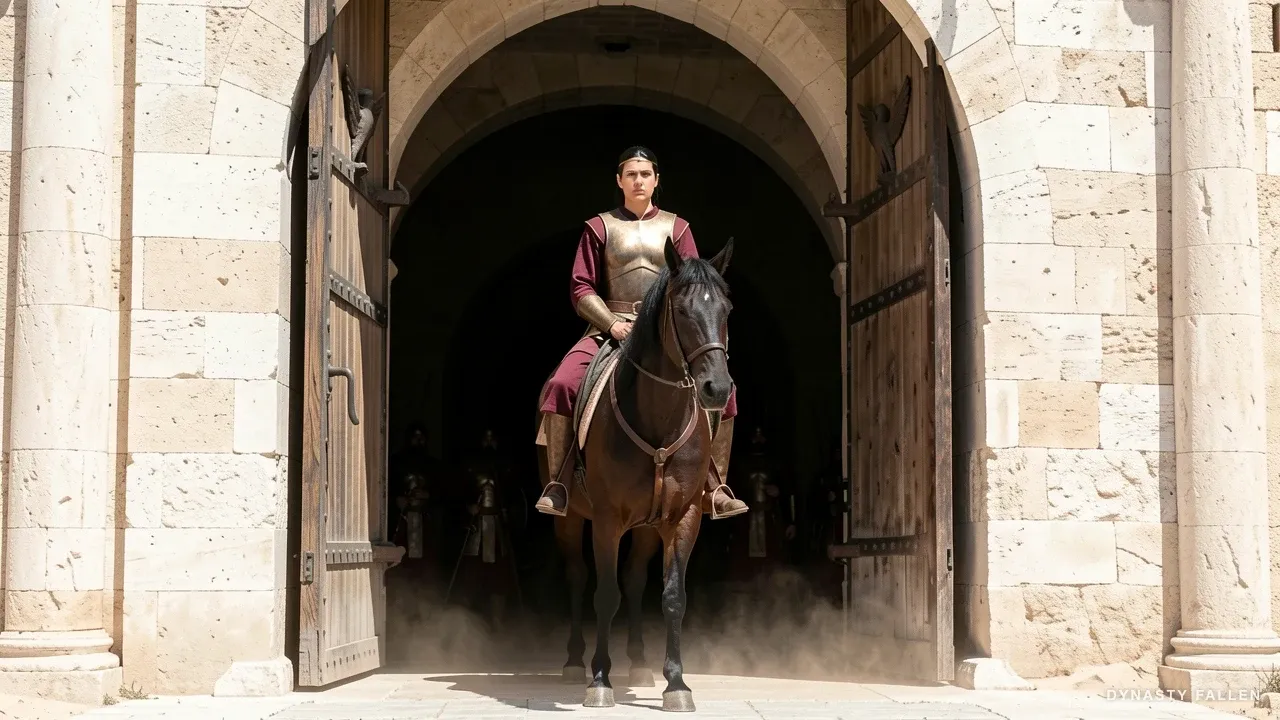
Egyptian administrative papyri, which date documents by regnal year, shift across late 270 to acknowledge Palmyrene rule. The Roman prefect of Egypt, Tenagino Probus, dies during the campaign — sources differ on whether by suicide or in combat. Alexandria opens her gates by autumn. Zenobia’s general Zabdas led the army; Zenobia herself directed the strategy from Palmyra. Egypt was Rome’s grain supply: taking it was a fatal challenge, and a year and a half later it would bring Aurelian east personally.
Aurelian defeated her at the Battle of Emesa and the siege of Palmyra (272).
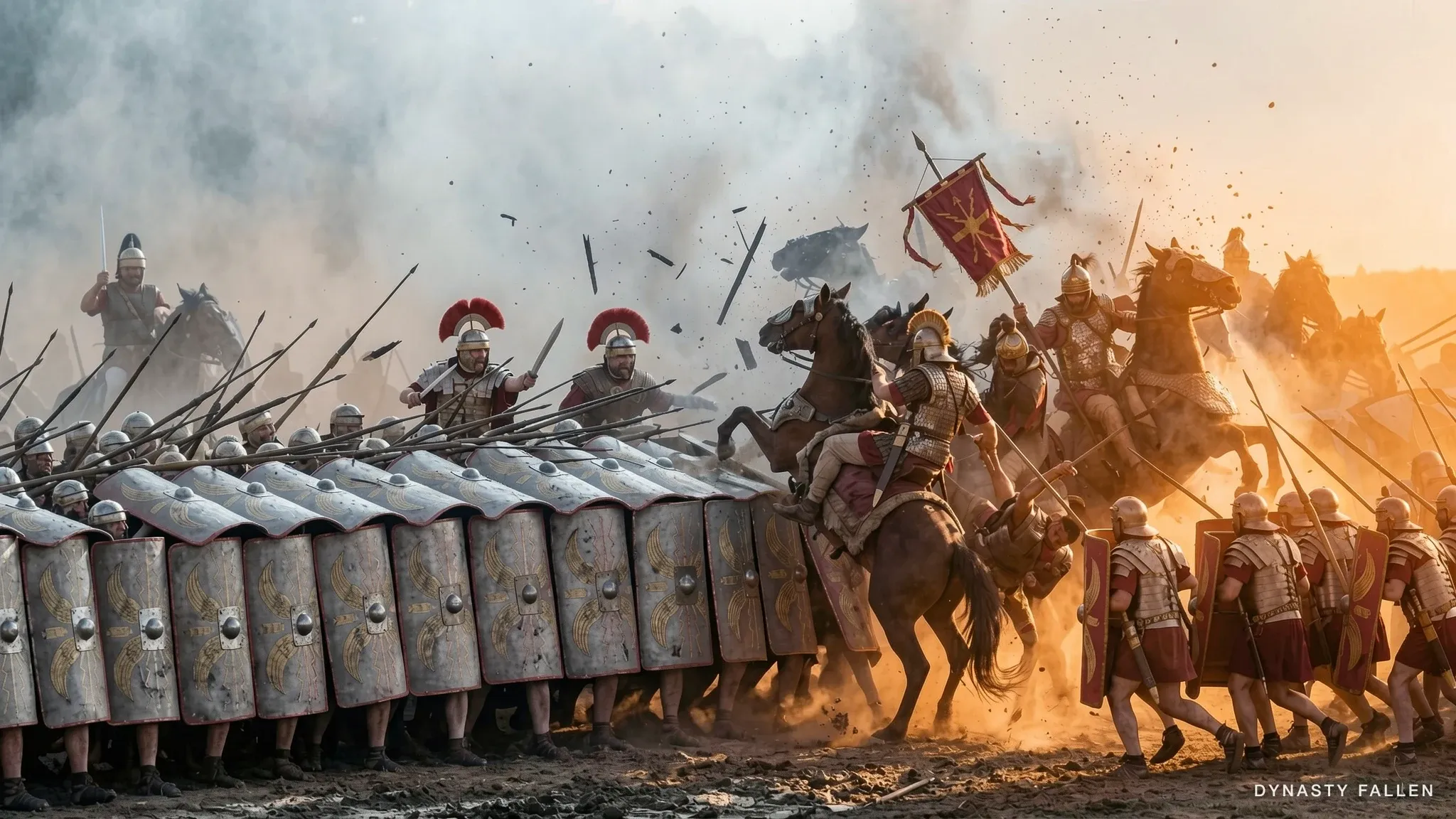
The two-stage defeat — open battle near Emesa (modern Homs) followed by the siege of Palmyra itself — is consistently reported across the late-Roman sources. Roman milestones in Syria record Aurelian’s route. The chronology is fixed by coinage: Vaballathus and Zenobia stop minting; Aurelian’s coins resume across the East. Zenobia attempted to flee toward Persia and was captured at the Euphrates. The political fact of her defeat is solid; the Historia Augusta’s vivid trial-scene drama afterward is its own embellishment.
She was paraded in Aurelian's triumph in Rome (274).
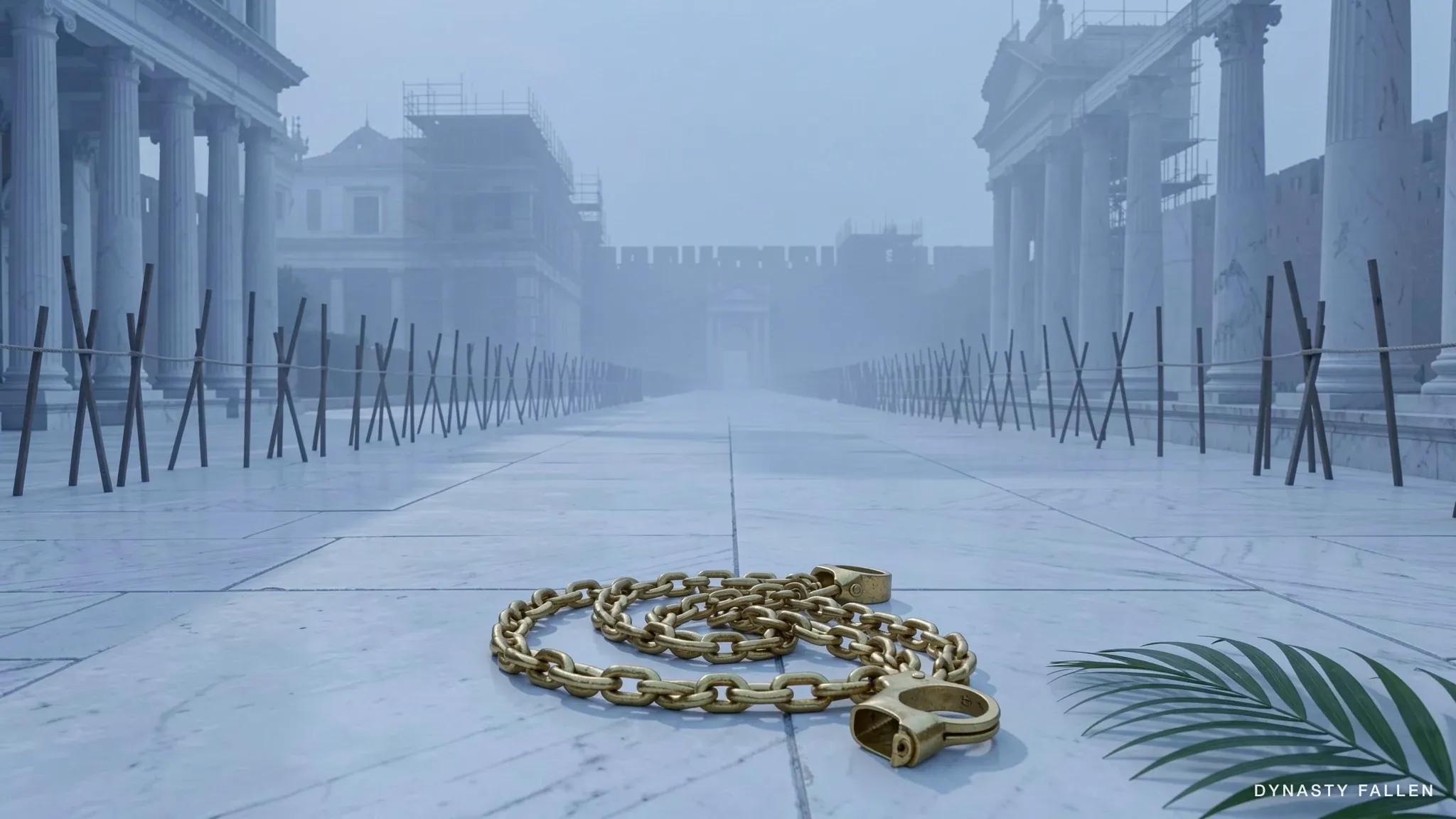
Aurelian held a magnificent triumph in Rome in summer 274, the climax of his reconquest campaigns. Multiple late-Roman sources independently confirm Zenobia’s presence in the procession. The political fact is solid across the tradition. The dramatic detail of how she was presented — particularly the weight of her chains — comes from the Historia Augusta and is treated separately below.
Cassius Longinus was her advisor and was executed by Aurelian after Palmyra fell.
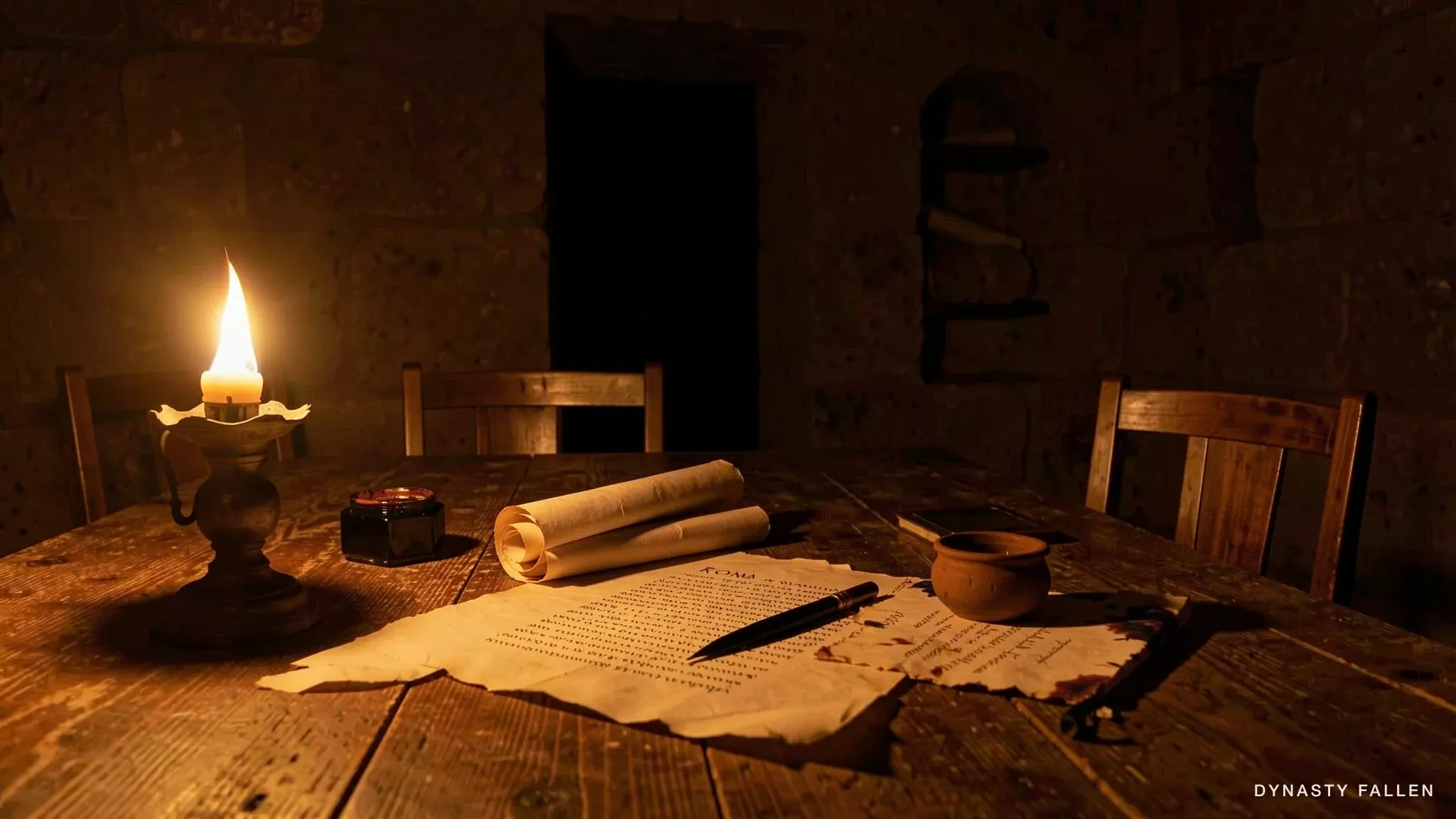
Cassius Longinus was a real and independently attested Greek philosopher and rhetorician, active in Athens before joining Zenobia’s court. His treatise On the Sublime (or its attribution to him) makes him a known figure of late antique scholarship. His association with Zenobia and his execution by Aurelian after Palmyra fell are confirmed in multiple late-Roman sources. Whether he advised the rebellion or was caught up in it is the kind of detail that varies; that he died for it is not in dispute.
Her army destroyed the temple of a Roman legion at Bostra.

In 270 the Palmyrene army under Zabdas moved into the province of Arabia and struck Bostra, the provincial capital and home of legio III Cyrenaica. The evidence here is not a chronicle but a stone: a Latin inscription from the rebuilt sanctuary records the temple of Jupiter Hammon as “destroyed by the Palmyrene enemies”, restored afterwards with a silver statue and iron doors. Wrecking a legion’s own god was not a raid; it was a statement. The much later chronicler Malalas adds that the governor Trassus was killed in the fighting — plausible, but it rests on one weak source and should not be leaned on. What the inscription establishes, independently of any Roman historian, is that Zenobia’s forces sacked a Roman provincial capital months before Egypt.
For most of her reign, her coins and Egypt's official documents named the Roman emperor as her son's superior.
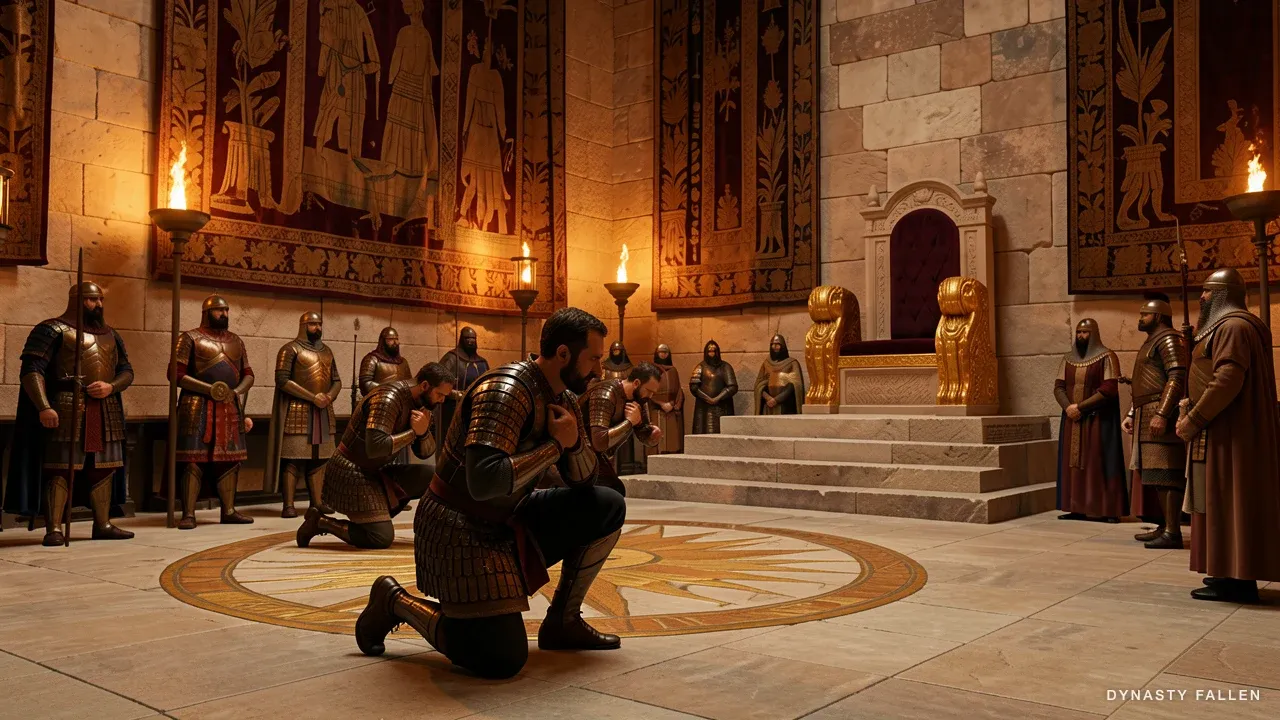
After seizing the imperial mints at Antioch and Alexandria, Zenobia’s government went on striking in the Roman emperor’s name. The Antioch coins show Vaballathus laureate with the abbreviated titles VCRIMDR — vir clarissimus, rex, imperator, dux Romanorum, all of them Roman offices generously read — and on the other face Aurelian, radiate, styled IMP C AVRELIANVS AVG. The radiate crown is the emperor’s; a laurel wreath is not. Alexandrian tetradrachms are dated by both men’s regnal years at once, and Egyptian papyri from December 270 onward do the same. Only in 272 does Aurelian disappear from the coinage and the titles Augustus and Augusta take his place. Whether the earlier fiction was caution, a genuine claim to legitimacy, or a negotiating position, we cannot tell from this distance.
From the sources
Mostly Historia Augusta. Plausible, vivid, but unverified by independent sources.She was paraded in golden chains so heavy she could barely walk.

The Historia Augusta’s vivid detail — that the chains were so weighty other slaves had to support her, and that her wrists, neck, and feet were all bound — is the single most-quoted image from her capture. It appears in the HA only, and the HA is famous for inventing exactly this kind of theatrical detail. It is plausible (Roman triumphs were carefully theatrical, and weighting a defeated queen was the symbolic point), but unverified by independent sources. The album takes the image as the album’s central reframe; the historical evidence supports the spirit, not the specifics.
She claimed descent from Cleopatra and the Ptolemies.

The Historia Augusta gives Zenobia a Ptolemaic genealogy — descent from Cleopatra and indirectly from Dido — that fits its narrative needs (the Eastern queen in the Cleopatra mould) but appears nowhere else. Modern historians treat it as the kind of literary flourish the HA habitually constructs for its subjects. Zenobia almost certainly had a real Palmyrene aristocratic lineage; the Ptolemaic gloss is the tradition’s, not history’s.
She spoke five languages — Greek, Latin, Aramaic, Egyptian, and Palmyrene.
That she was multilingual is plausible — Palmyra was a famously polyglot trading city, royal courts trained in languages, and her advisor Longinus would have schooled her in Greek philosophical traditions at minimum. The specific number five, with the specific list, is the Historia Augusta’s signature kind of catalogue: the sort of crisp factoid the source loves to invent and that no other source corroborates. Take the substance, hold the inventory loosely.
She wrote a history of the East.
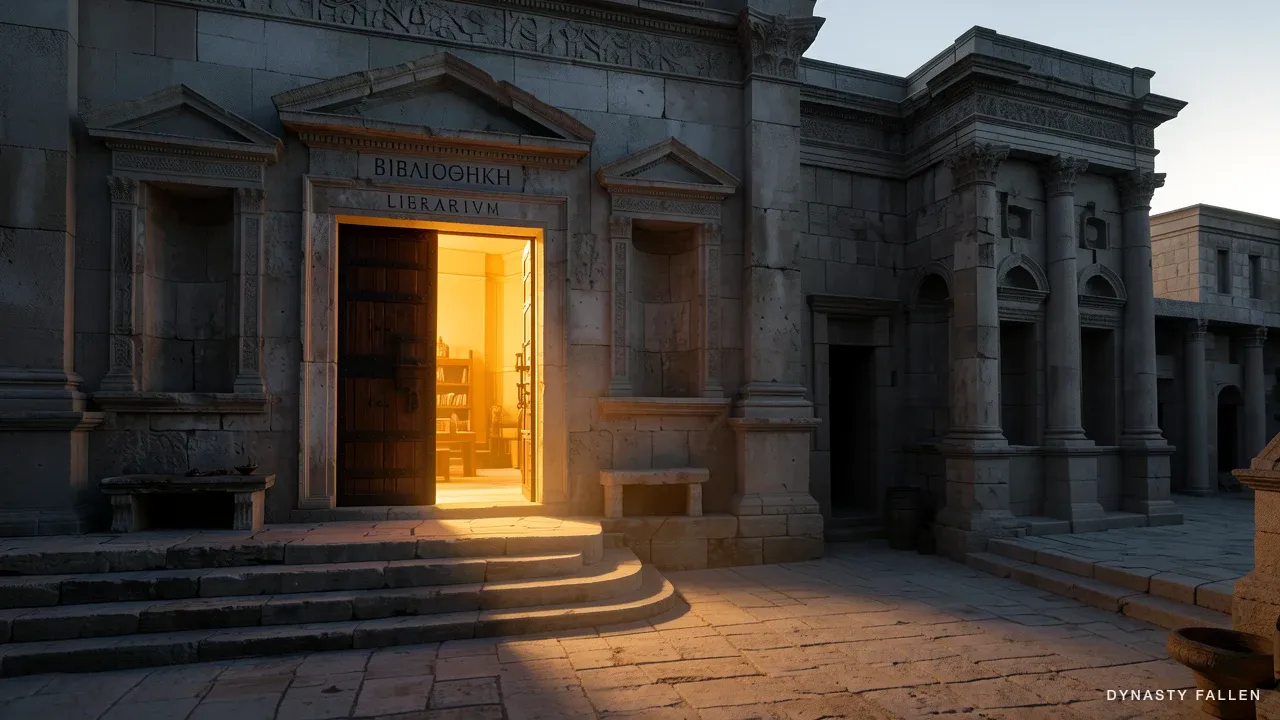
The Historia Augusta claims Zenobia wrote a historical work of her own — covering Eastern affairs and Alexandrian history. No fragment survives. If the claim is true, it places her among the women authors of late antiquity (a group that includes Hypatia and others). If invented, it’s exactly the kind of detail the Historia Augusta likes to attach to its educated women. We cannot tell from this distance.
Legend & flourish
Where the source becomes legend.She lived out her years in a villa near Tivoli, married a Roman senator, and her descendants became prominent.

The Historia Augusta paints a picture of comfortable settlement: a villa at Tibur (modern Tivoli, ~30 km from Rome), marriage to a Roman senator, descendants who became consuls and saints. Other late sources are vaguer or contradictory — Zosimus implies she may have died of grief or starvation on the road, or in captivity. Whether she lived out her years in Italian comfort or died sooner is genuinely uncertain. The album holds the survivor narrative; the historiography holds both possibilities open.
Her descendants founded a Roman noble line and a Christian saint.

The Historia Augusta and later Christian sources link Zenobia’s descendants to senatorial families and to Saint Zenobius of Florence (a fifth-century bishop). These genealogies follow the typical late-antique pattern of attaching prestige lineages — they should be treated as legend rather than record. Whether Zenobia actually had children who lived to adulthood and made consequential lives in Italy is plausible but not securely established beyond the Historia Augusta’s word.
She answered Aurelian's demand for surrender with a defiant letter invoking Cleopatra's example.
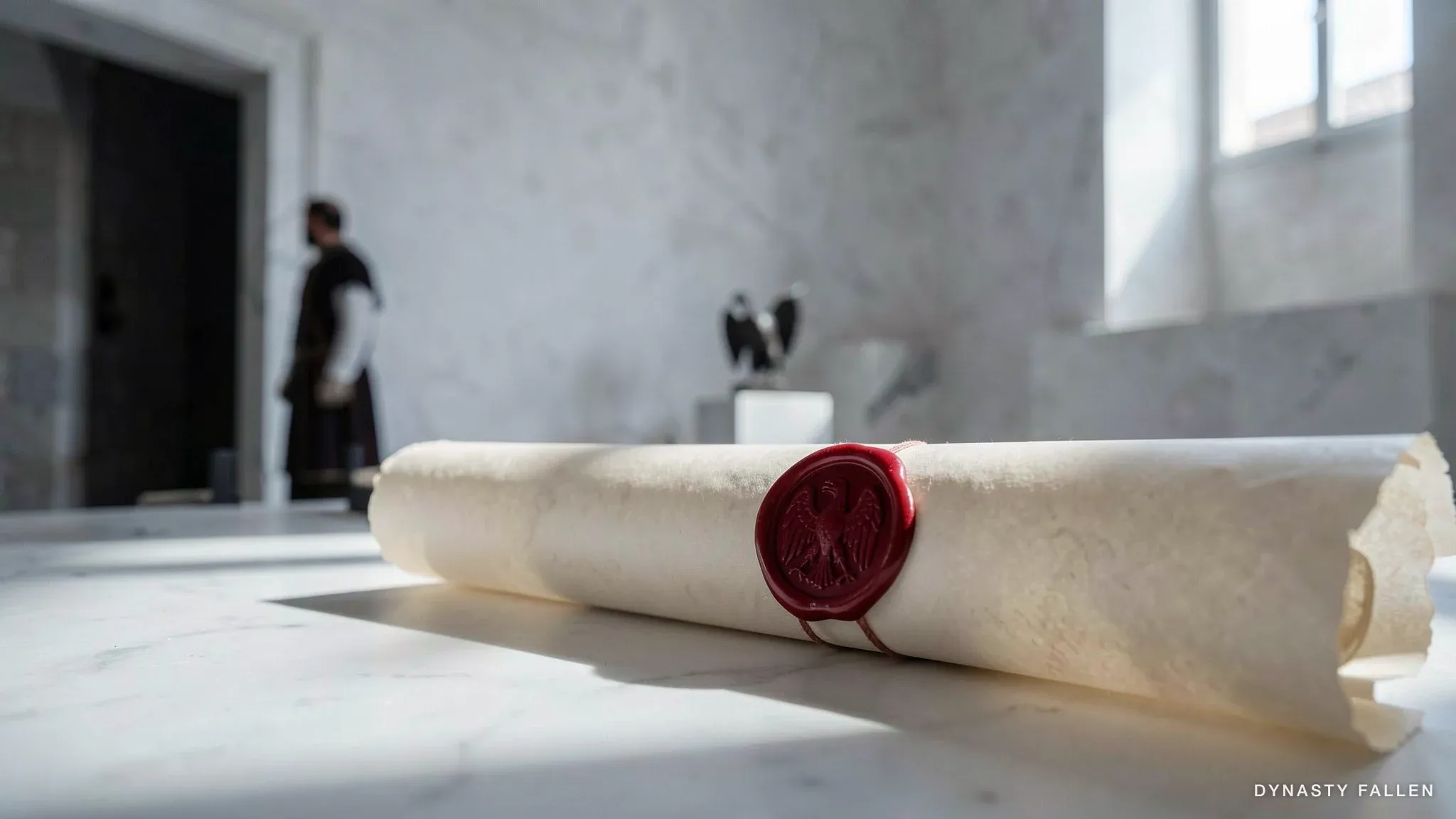
The Historia Augusta quotes Aurelian demanding surrender and Zenobia replying that what must be settled in war is settled by valour alone, that Cleopatra chose death over captivity, and that Persian and Arab reinforcements were on their way. It is the most quoted thing she ever “said”. It is also one of roughly 150 documents the Historia Augusta produces — letters, speeches, decrees — which since Dessau’s demolition of the work in 1889 have been treated as the author’s own inventions, along with most of the authorities cited to vouch for them. Here he even names a translator, Nicomachus, who supposedly rendered the reply from Syriac; naming a source who cannot be checked is standard forger’s technique. Something passed between the two camps. This is not it.
She fought in her own battles, leading cavalry charges in armour against the legions.
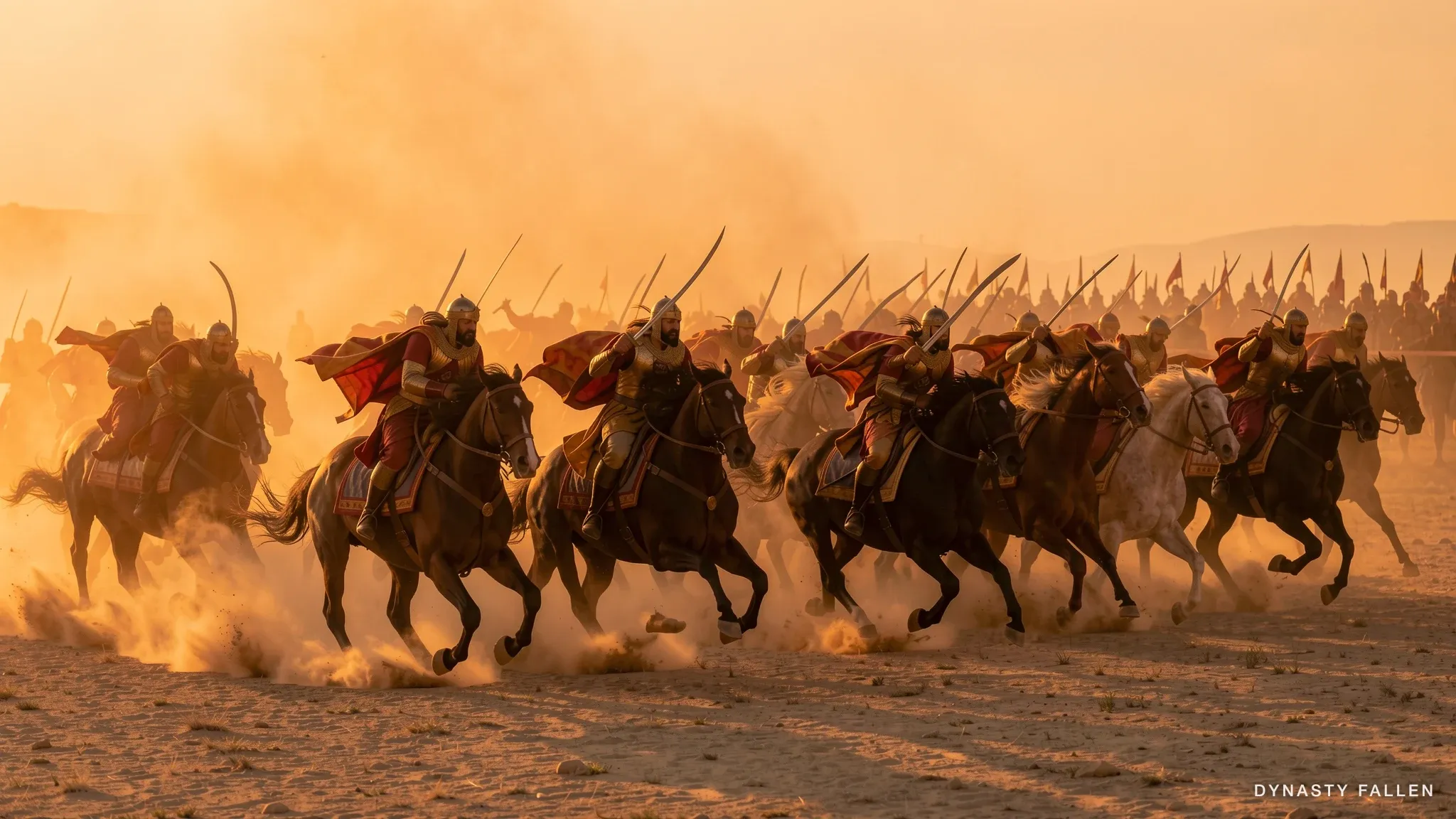
The armoured queen at the head of the charge is a picture built by later readers. The Historia Augusta supplies most of the raw material: she rode a horse rather than a woman’s carriage, reportedly walked three or four miles with her infantry, hunted keenly, drank with her generals to outlast them. None of that is fighting. Zosimus, the fuller narrative source for the campaign, has the general Zabdas commanding at Immae and again at Emesa, with Zenobia present with the army and awaiting the outcome rather than standing in the line. No ancient writer describes her striking a blow. The image hardens afterwards — Chaucer’s Cenobia, the neoclassical statues, the modern films — until the strategist becomes a swordswoman.
Aurelian razed Palmyra to the ground when he defeated her, and the city was never inhabited again.
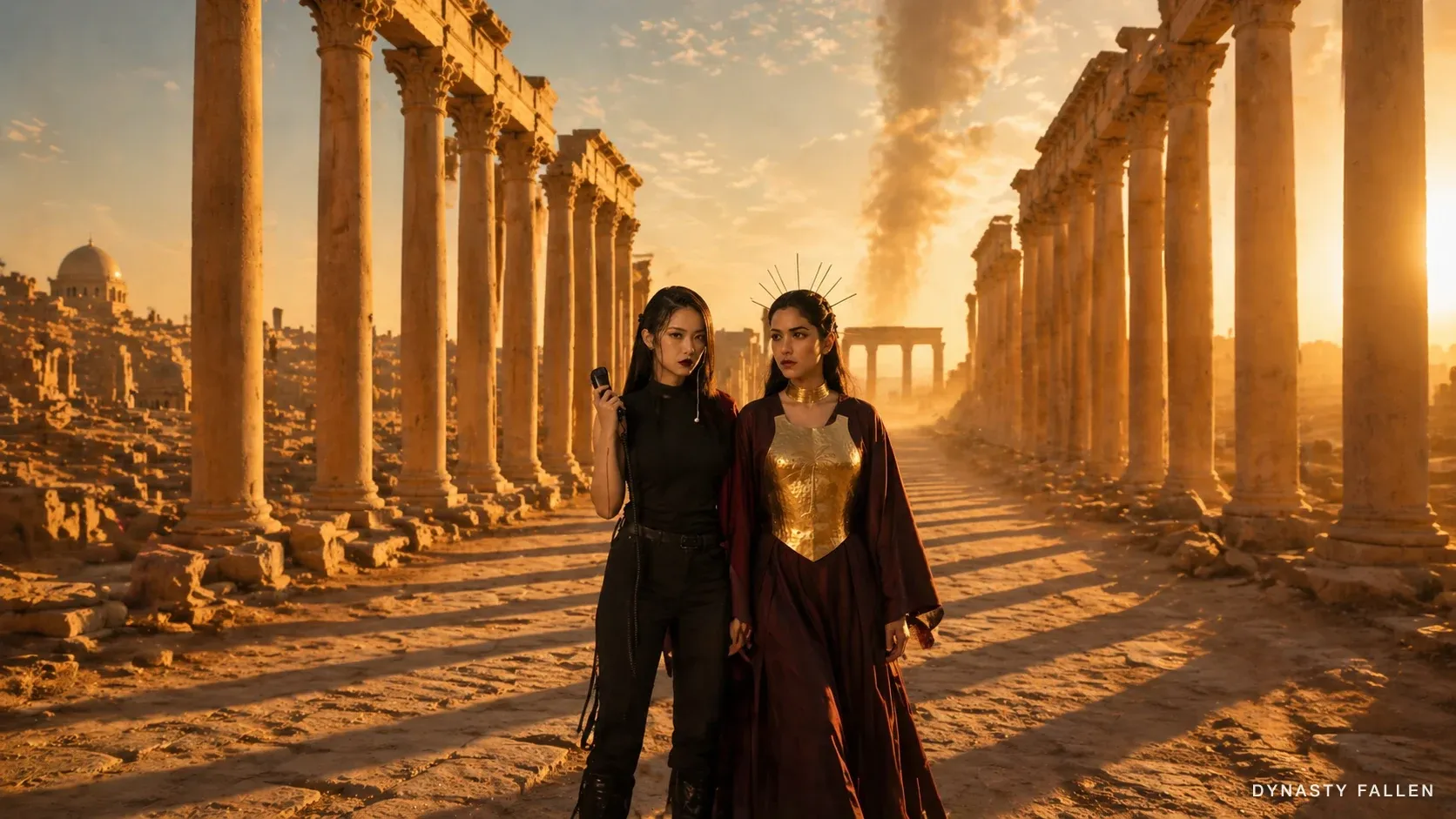
Two things get compressed here. Aurelian took Palmyra in 272 and treated it comparatively lightly, leaving a garrison behind. The sack came the following year, after the city revolted, killed the garrison commander and proclaimed a rival emperor. Zosimus says Aurelian retook it without a contest and destroyed it; the Historia Augusta preserves a letter — itself almost certainly forged — in which he admits killing women and old men, then orders the Temple of the Sun rebuilt at imperial expense. What the ground shows is not a dead site. The First Illyrian Legion was stationed there, Diocletian built a camp and baths, a bishop of Palmyra sat at the Council of Nicaea in 325, Justinian rebuilt the walls, and the town passed intact into Islamic hands in 634.
A note on stance
Why the album holds the position it does
Unlike Sigrid, Zenobia did not need a saga to survive. She was famous in her own lifetime — a queen who challenged Rome's emperor and lost, then refused to disappear. Her enemies wrote about her. Her coinage exists. Her city's ruins still stand.
What we don't have is her own voice. The Historia Augusta claims she wrote a history; if it ever existed, it's lost. Her surviving lines come to us through Roman writers who admired her, condescended to her, or invented for her. The album puts her back in first person — not because that's the historical record, but because the record's silence on her own voice is itself the thing worth answering.
Vol. V is for the queen Rome could neither erase nor fully render. This page is so you can hold the documented and the dramatic side by side.
Sources & further reading
What the album draws from, and modern scholarship for digging deeper.Primary sources
- Historia Augusta
The principal narrative source. The lives of Aurelian and the Tyranni Triginta (Thirty Tyrants — including Zenobia) carry most of the dramatic detail. Famously unreliable: speeches and letters are forged, genealogies invented. But it preserves material no other source has, and modern Zenobia studies are partly the project of separating its kernels from its flourishes.
- New History
A pagan history of Rome covering the third century, drawing on the now-lost work of the fourth-century historian Eunapius. More sober than the Historia Augusta, weaker on the dramatic details, stronger on the political shape of Aurelian's campaigns.
- Breviarium ab Urbe Condita
A short, factual summary of Roman history written for the Emperor Valens. Brief on Zenobia but useful as a sober cross-check on the more colourful Historia Augusta.
- De Caesaribus
A short biographical history of the emperors. Mentions Zenobia in the Aurelian section. Used by later compilers.
- Coinage of Zenobia and Vaballathus
Contemporary, dated, and unambiguous. The shift from coins naming Vaballathus alone (regent for Rome) to coins naming Vaballathus as Augustus and Zenobia as Augusta is the single best evidence for the political timing of her break with Rome.
- Egyptian papyri
Egyptian administrative documents are dated by regnal year. Their dating formulas shift as Palmyrene control replaced Roman, then back. The papyri pin the timing of the Egyptian campaign with day-level precision.
- Palmyrene inscriptions
The bilingual Greek-Palmyrene inscriptions on the colonnaded street, the temples, and the columns of Odaenathus and Zenobia herself. Material evidence for the city's wealth, Zenobia's royal titles in her lifetime, and the fact of her existence.
Modern scholarship
- Empress Zenobia: Palmyra's Rebel Queen
The standard modern English-language biography. Accessible, scholarly, and careful with the source-criticism. The first place to send a curious reader.
- Palmyra and Its Empire: Zenobia's Revolt against Rome
The academic foundational text. Heavier going than Southern but more thorough on the political and military shape of Palmyrene power.
- Zenobia: Between Reality and Legend
An accessible overview by a Palestinian historian; particularly strong on the legacy and the post-antique afterlife of Zenobia in Arab and Syrian tradition.
- Ancient Syria: A Three Thousand Year History
A wider sweep, with a strong chapter on Palmyra's place in the Syrian longue durée. Useful for the world Zenobia ruled, not just her ruling of it.
- Emperors and Biography: Studies in the Historia Augusta
The foundational source-criticism on the Historia Augusta. Essential context for understanding why the principal narrative source for Zenobia is the way it is. Dense but transformative.
Read online
- Zenobia
Careful, well-sourced overview by a Dutch ancient historian; the gold standard for non-academic online ancient-history writing. Includes references to the primary sources for each claim.
livius.org → - Wikipedia — Zenobia
Unusually well-sourced for the subject. Useful for a quick overview and as a guide to the secondary literature.
en.wikipedia.org → - Historia Augusta
Bill Thayer's transcription of the Loeb translation. The lives of Aurelian and the Tyranni Triginta (containing Zenobia) are both freely readable.
penelope.uchicago.edu →
Citations on individual claims above point to specific chapters and editions. The list here is the broader context — what to read next if you want to follow the queen out of the song and into the historical record.