Truth, Saga
& Legend
What’s documented, what’s tradition, what’s storyteller’s flourish.
An annotated history of Sigrid the Haughty.
The premise
Sigrid Storråda sits in the borderland between history and saga — disputed by modern scholars, vivid in the medieval sources. The album leans into the saga. This page tells you which parts you should take to heart, which parts you should hold loosely, and which parts you should treat as Snorri's elaboration.
The single richest source is Snorri Sturluson's Heimskringla, written around 1230 — roughly 250 years after the events. Snorri was an Icelandic poet, politician, and historian, working from older oral sagas and lost written sources. He is detailed, dramatic, and unreliable in the specific way thirteenth-century historians always are: the dialogue is invented, the motivations are clarified, the women are simplified into types.
Modern historians often treat Sigrid as a literary composite — possibly conflated with the Polish princess Świętosława, possibly partly invented by saga tradition. The album takes a different stance: it treats Snorri's queen as the queen worth telling the story of, while being honest with you about where that queen begins and the documented record ends.
Verdicts below: Documented · From the sources · Legend & flourish.
Documented
What multiple independent sources agree on.A queen of Sigrid's description married Sweyn Forkbeard of Denmark.
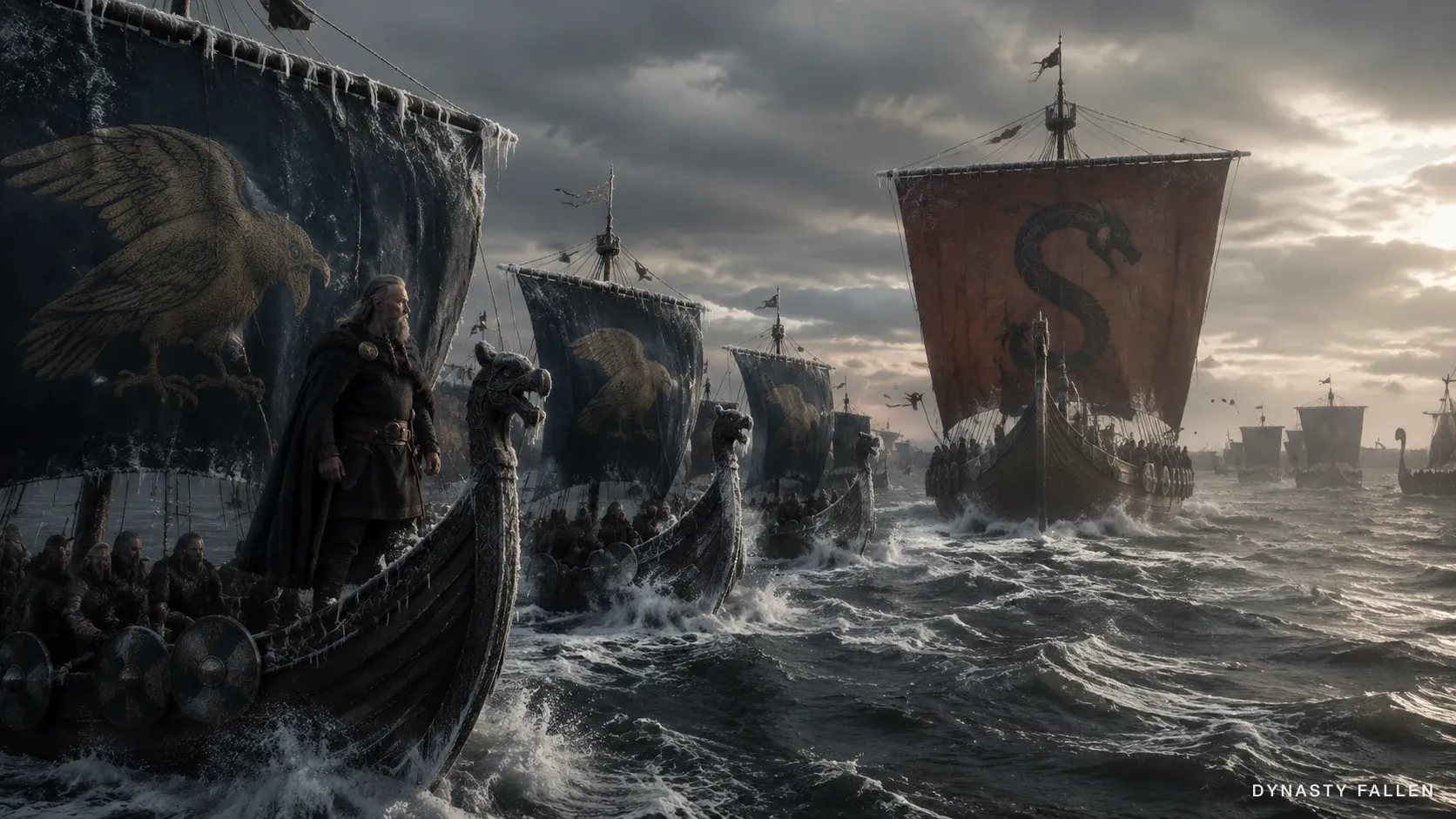
A Scandinavian queen, named Sigrid in Norse sources and Świętosława in continental ones, was the wife of Sweyn Forkbeard. The match itself, the dynastic consequences, and the children are attested across Heimskringla, the chronicles of Adam of Bremen, and later English and Polish sources. Whether “Sigrid” and “Świętosława” are the same woman is debated; that the queen existed is not.
Olaf Tryggvason was a real Norwegian king who pushed Christianisation aggressively.
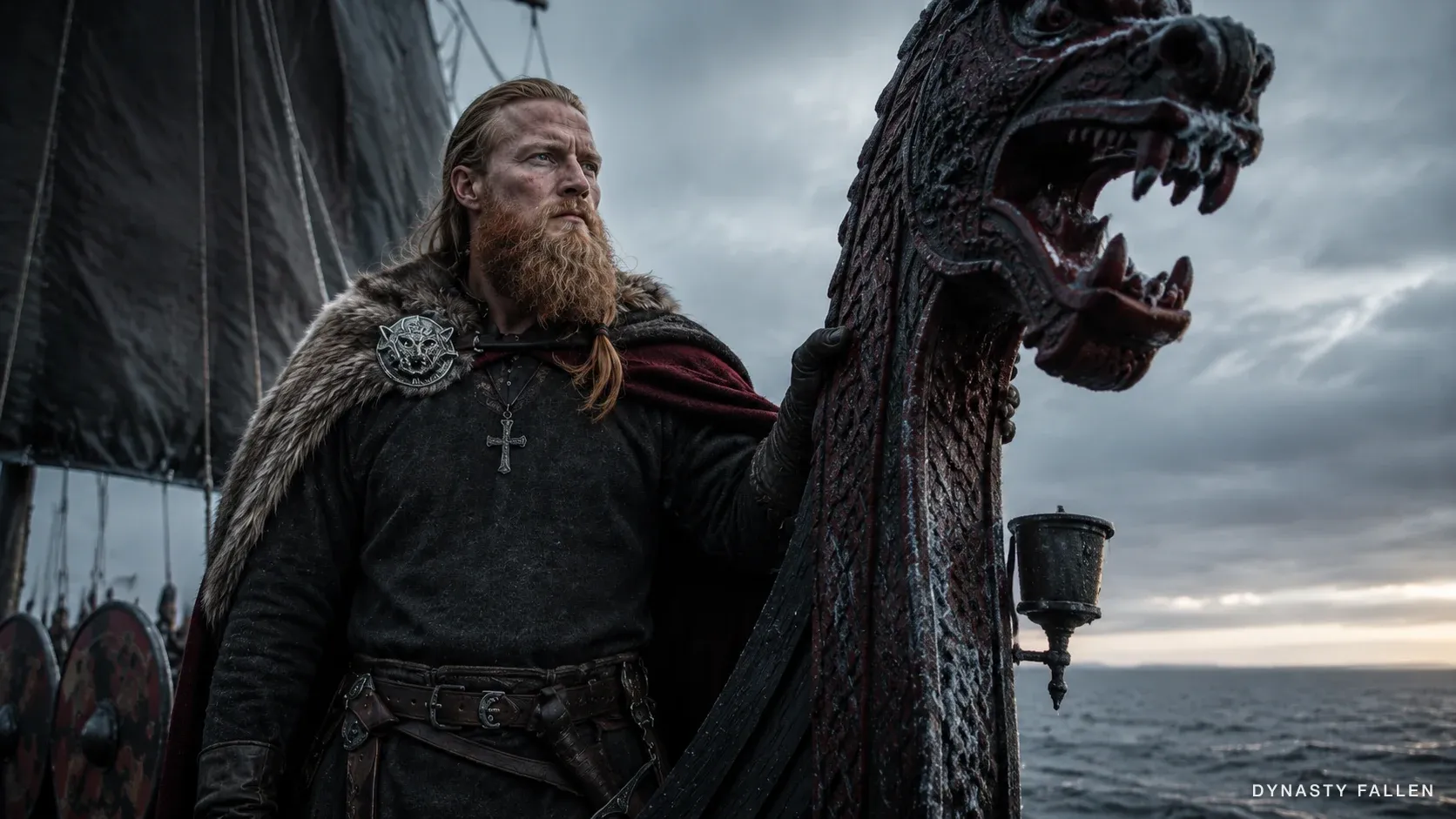
Olaf reigned 995–1000. His campaign of forced conversion across Norway is corroborated in multiple sources, sympathetic and hostile. He famously offered subjects a choice between baptism and the sword, and his reign was short, violent, and consequential.
The Battle of Svolder happened in the year 1000. Olaf Tryggvason died there.
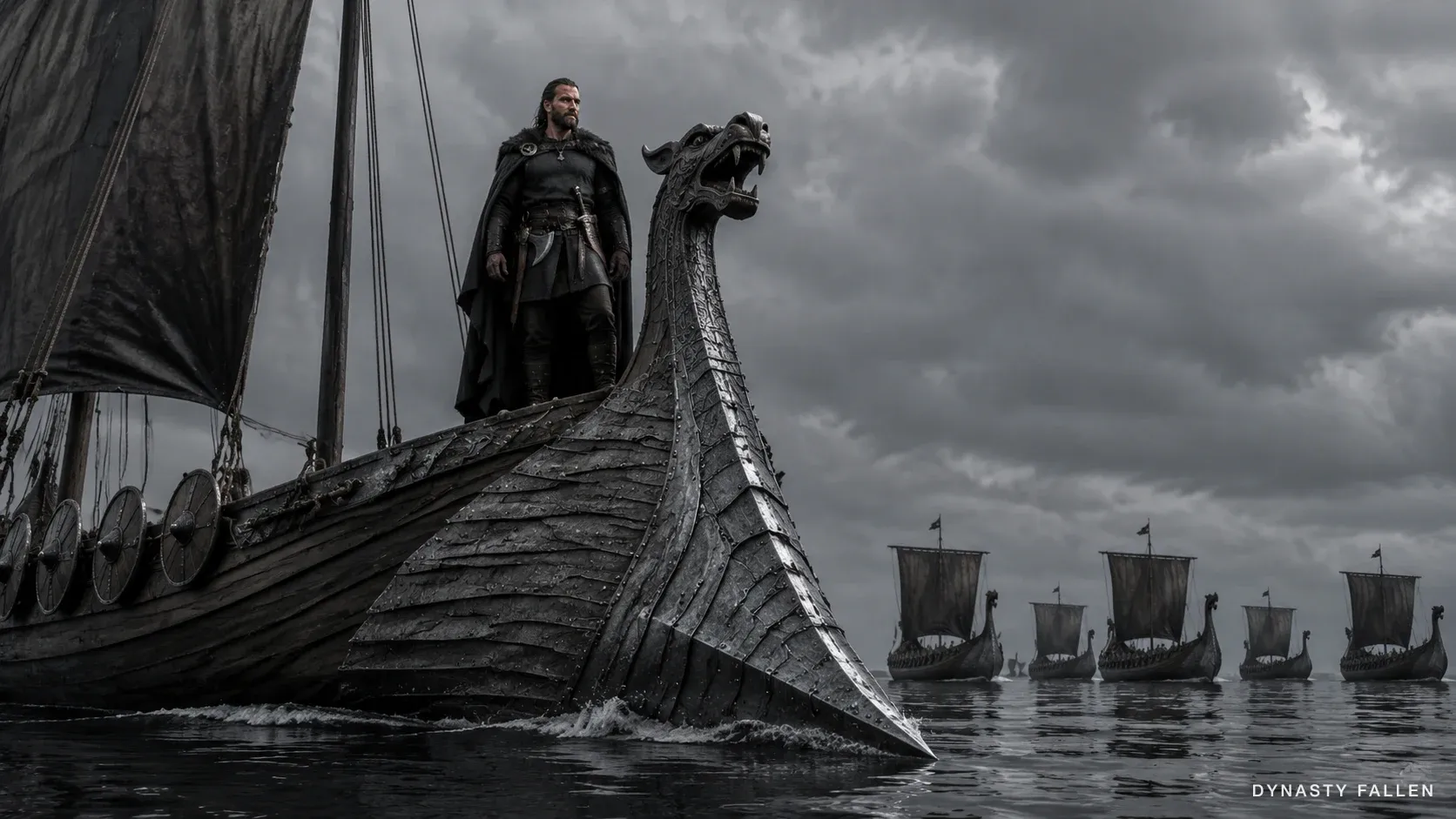
A naval battle in the western Baltic in autumn 1000 ended Olaf’s reign. Sweyn Forkbeard, Olof Skötkonung of Sweden, and the Norwegian jarl Eiríkr Hákonarson commanded the coalition that ambushed him. Olaf jumped from his flagship Long Serpent into the sea and did not surface. The battle is attested by skaldic poetry composed shortly after the event.
Cnut the Great descends from this lineage.
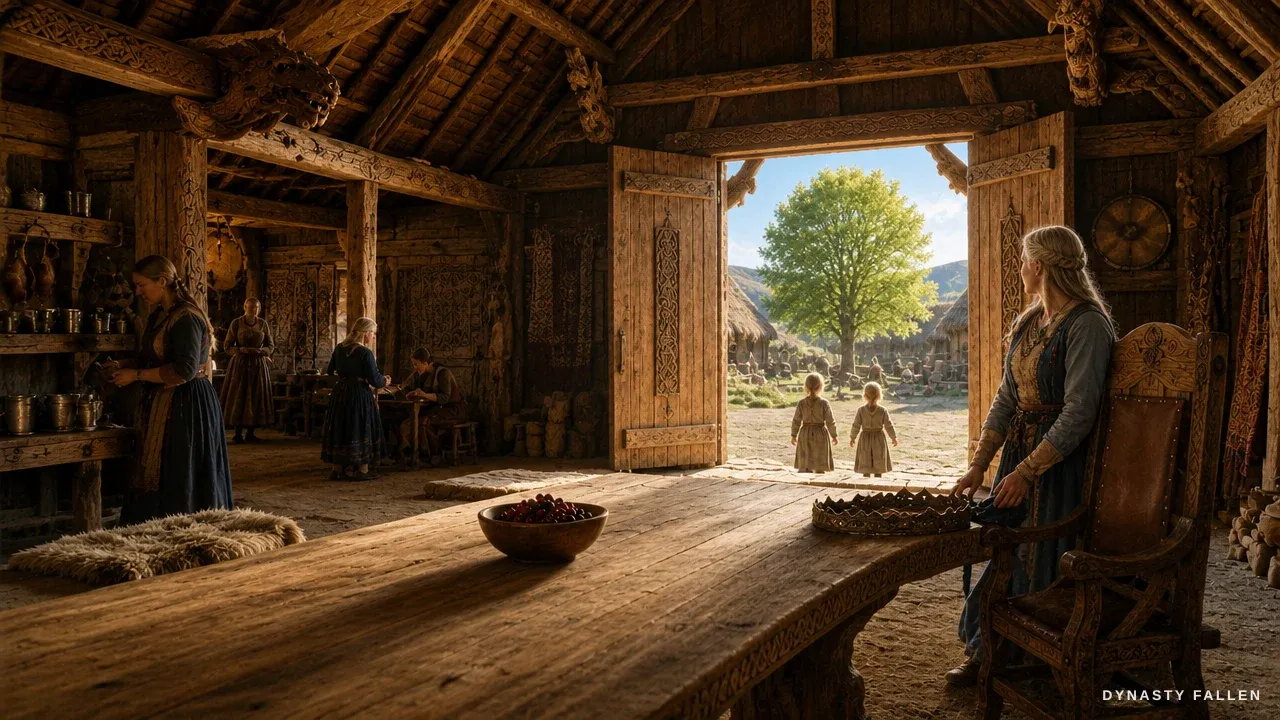
Cnut, who became king of England, Denmark, and Norway, was the son of Sweyn Forkbeard. Whether Sigrid was his mother or stepmother is debated; that he is part of the dynasty Sigrid set in motion through her marriage to Sweyn is well-attested. Her son Olof Skötkonung became king of Sweden, founding the Swedish royal line that ruled into the next century.
From the sagas
Saga-only. Plausible, vivid, and unverifiable.She burned two minor kings alive in her own hall.
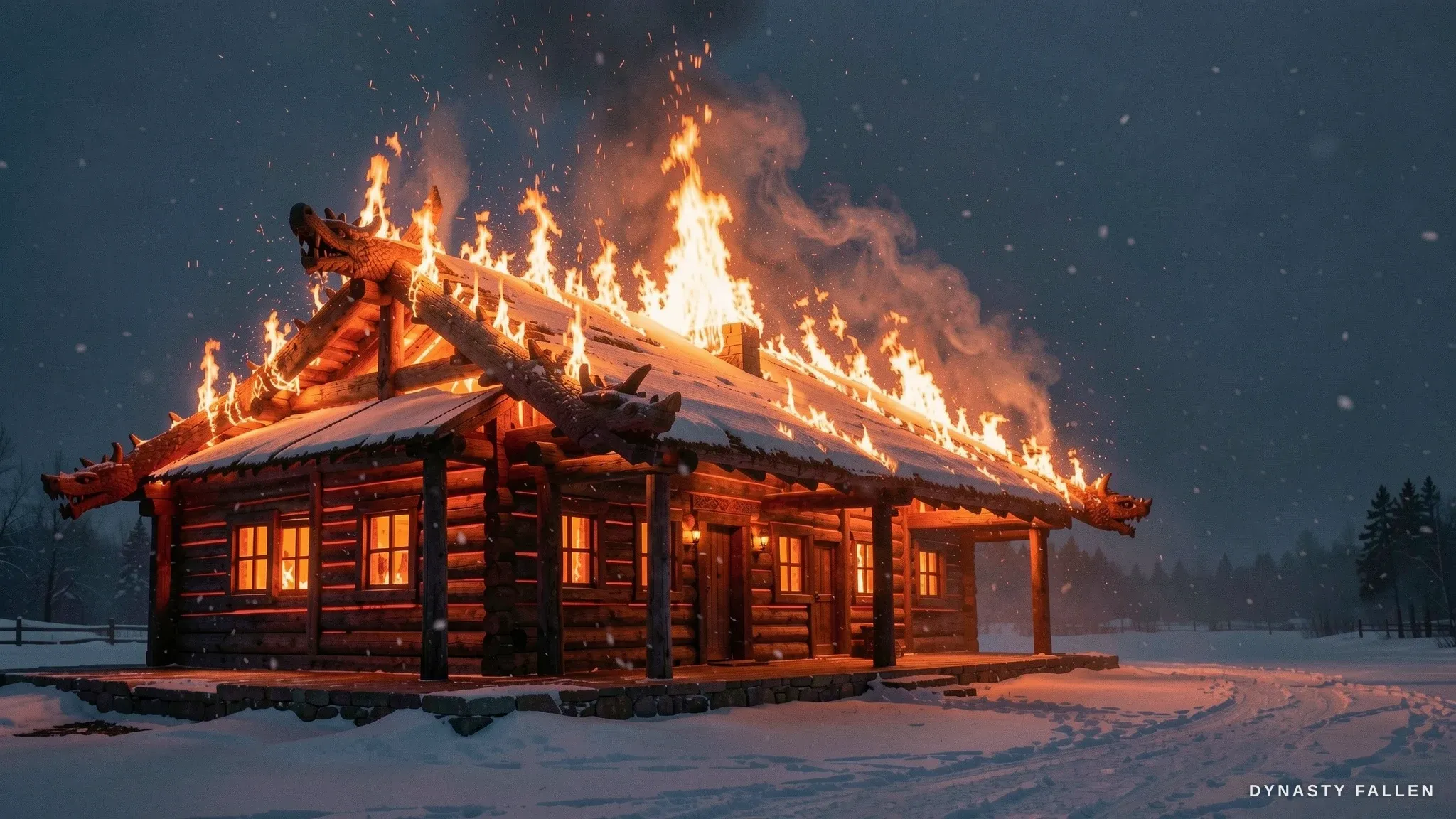
The episode appears in Snorri’s Heimskringla: Vissavald of Garðaríki and Harald Grenske of Norway came to court her, she got them drunk, locked the hall, and fired it — “to teach petty kings not to come wooing.” No earlier source preserves the story; no continental chronicle corroborates it. Modern historians treat it as saga material — possibly built around a real political incident, possibly invented to explain her epithet. The album treats it as the act it almost certainly was.
Olaf Tryggvason slapped her with his glove for refusing to convert.

Snorri’s account: Olaf came to marry her, demanded she be baptised, and slapped her with his glove when she refused. Her answer — “this may well be your death” — is the kind of dialogue medieval sagas put into the mouths of formidable women, recorded literally by no one. The slap may be apocryphal; the broken match is plausible; the attributed line is Snorri’s.
She engineered the coalition that destroyed Olaf at Svolder.
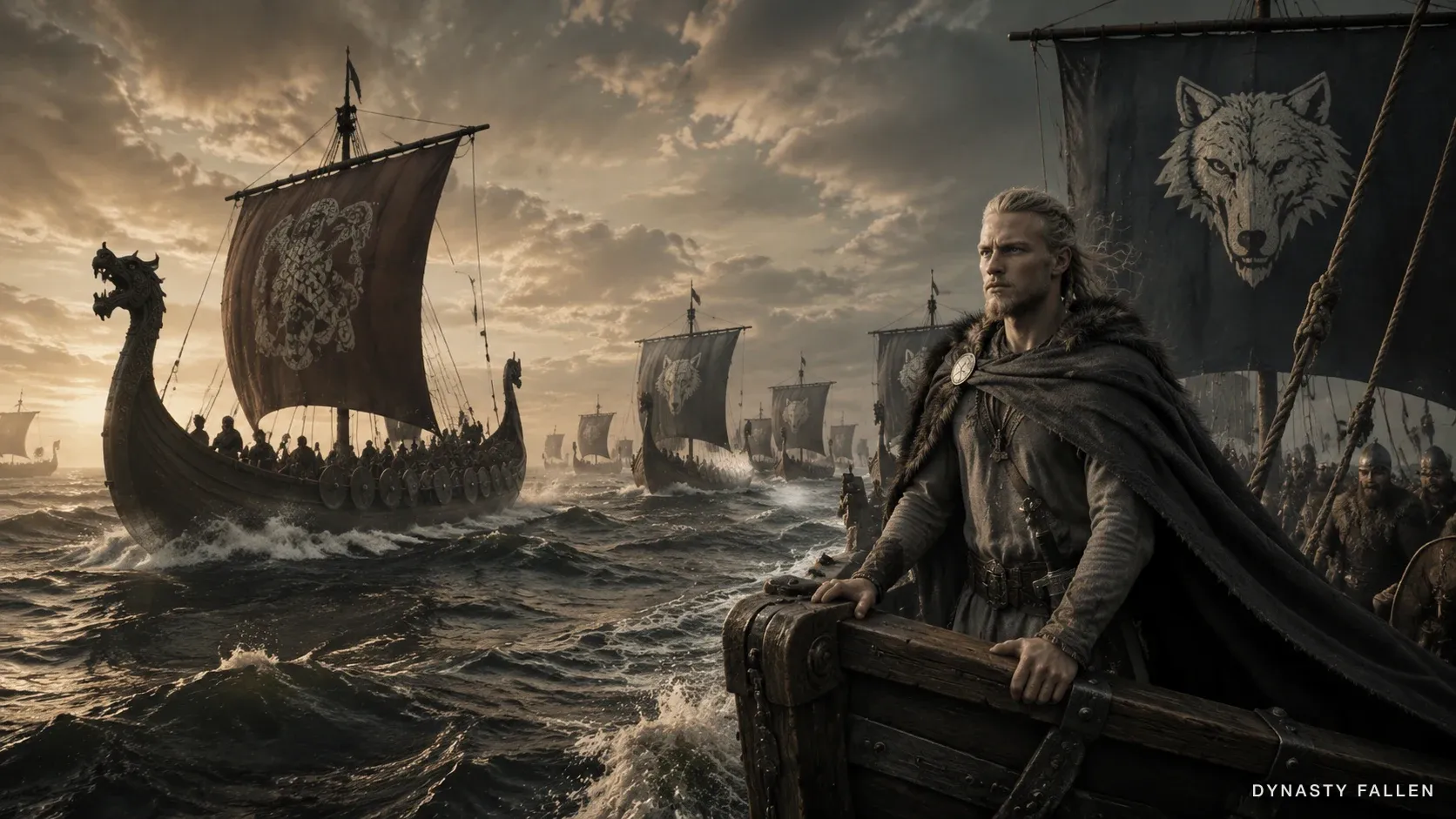
Snorri presents the Svolder coalition as Sigrid’s long revenge: she pressed Sweyn, her son Olof Skötkonung, and the jarl Eiríkr to combine against Olaf. The coalition is real and well-attested. Her exact role in shaping it is sagaic: medieval sources foreground a queen behind every Scandinavian conspiracy. Modern historians vary — some treat her influence as substantial, others as Snorri’s narrative shaping. The album takes Snorri at his word.
She was called *Storråda* — "the Haughty" or "the Proud."
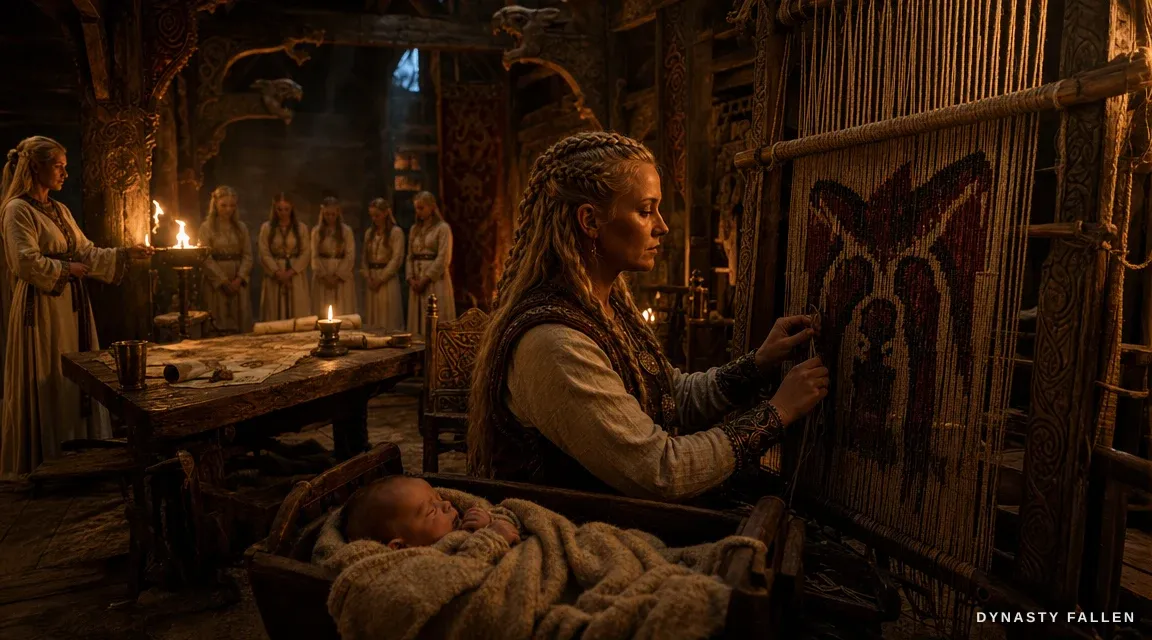
The Old Norse epithet storråða (literally “great-counselled”) is preserved in the saga tradition. It carries the dual sense of ambitious counsel and disdain — both Haughty and Proud are reasonable English translations. Whether the woman who held it was historically called this in her lifetime or named retroactively by Snorri is unclear. The epithet is now hers either way.
Legend & flourish
Where the saga becomes literature."Sigrid the Haughty" may not be a single woman.
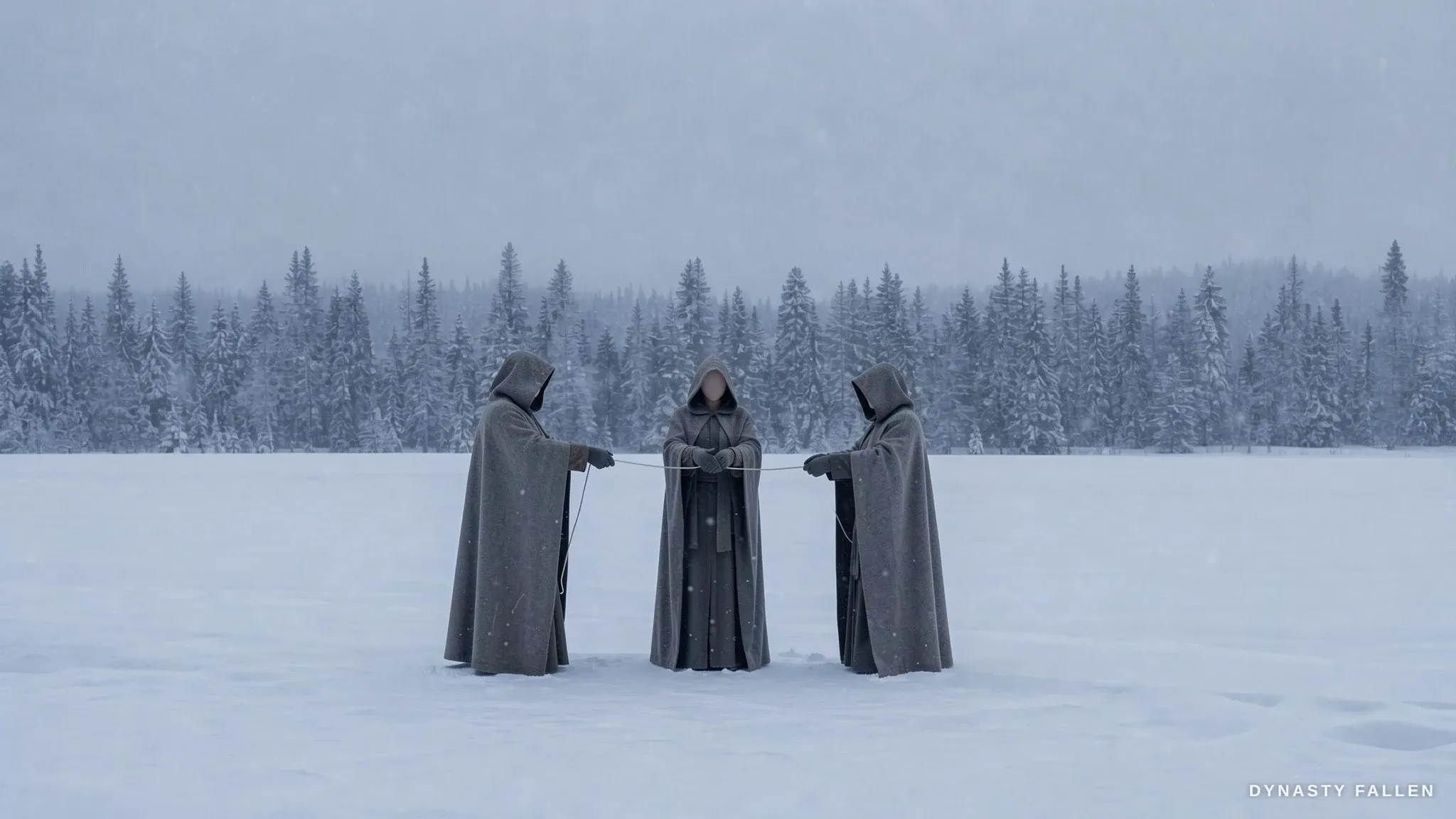
A school of modern historians argues that Sigrid is a literary composite — that the queen Sweyn married was the Polish princess Świętosława, and that Snorri (or his sources) constructed the “Sigrid” persona by accreting saga episodes onto her. Other historians defend Sigrid as a separate historical figure. Either position is defensible. The album treats Sigrid as Snorri presents her: a queen vivid enough to be worth ten tracks, regardless of how the source-criticism eventually settles.
The exact dialogue is invented.
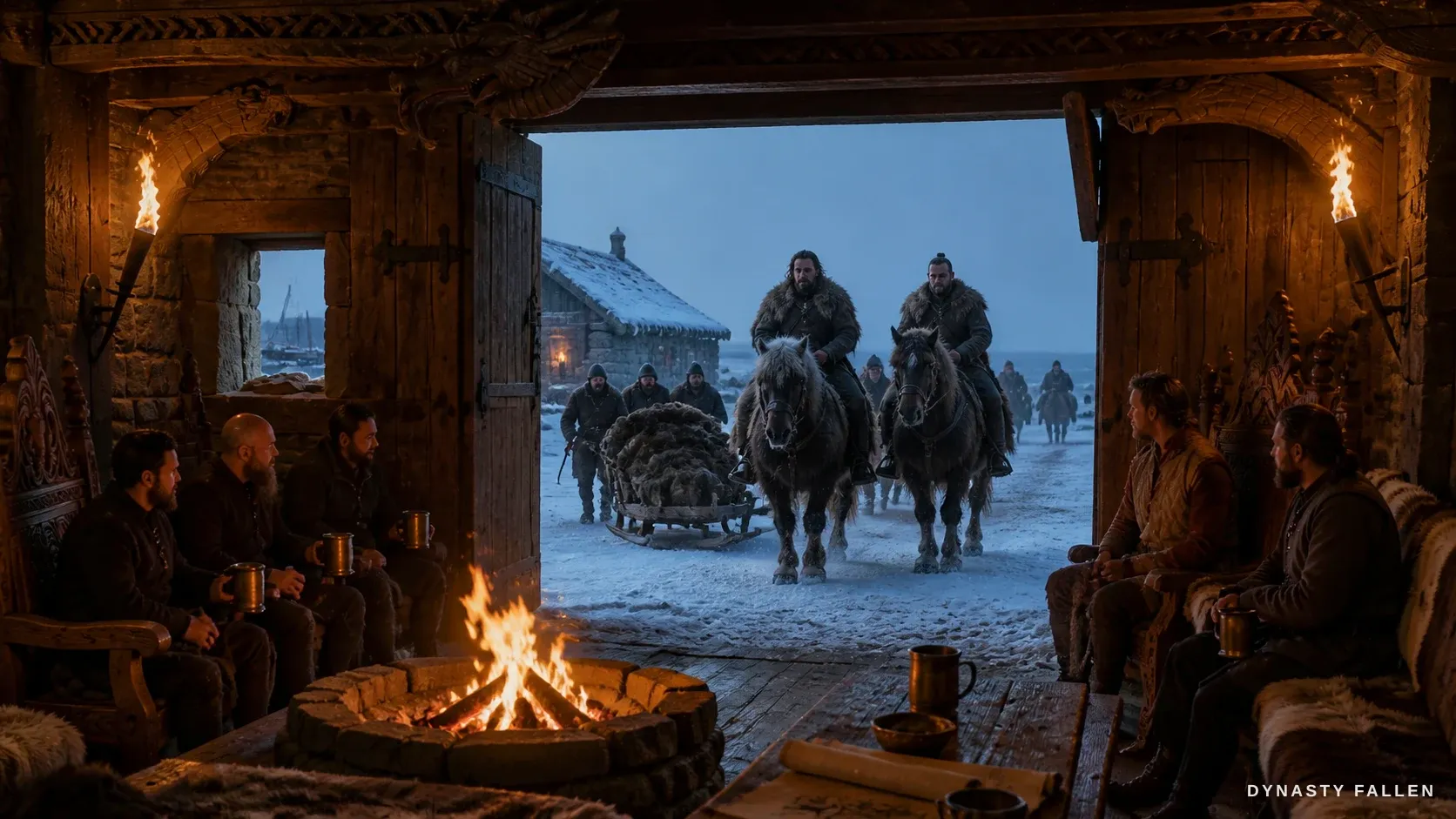
Every line of speech attributed to Sigrid in the sagas was composed by Snorri or his sources roughly 250 years after the fact. “This may well be your death,” “to teach petty kings not to come wooing,” the refusal to be baptised — these are saga lines, the way Shakespeare’s Henry V’s speeches are. They tell us how Snorri imagined a queen of her temperament would sound. The album treats them as the queen’s real voice because the saga is the only voice she has.
The number of kings burned varies between sources.
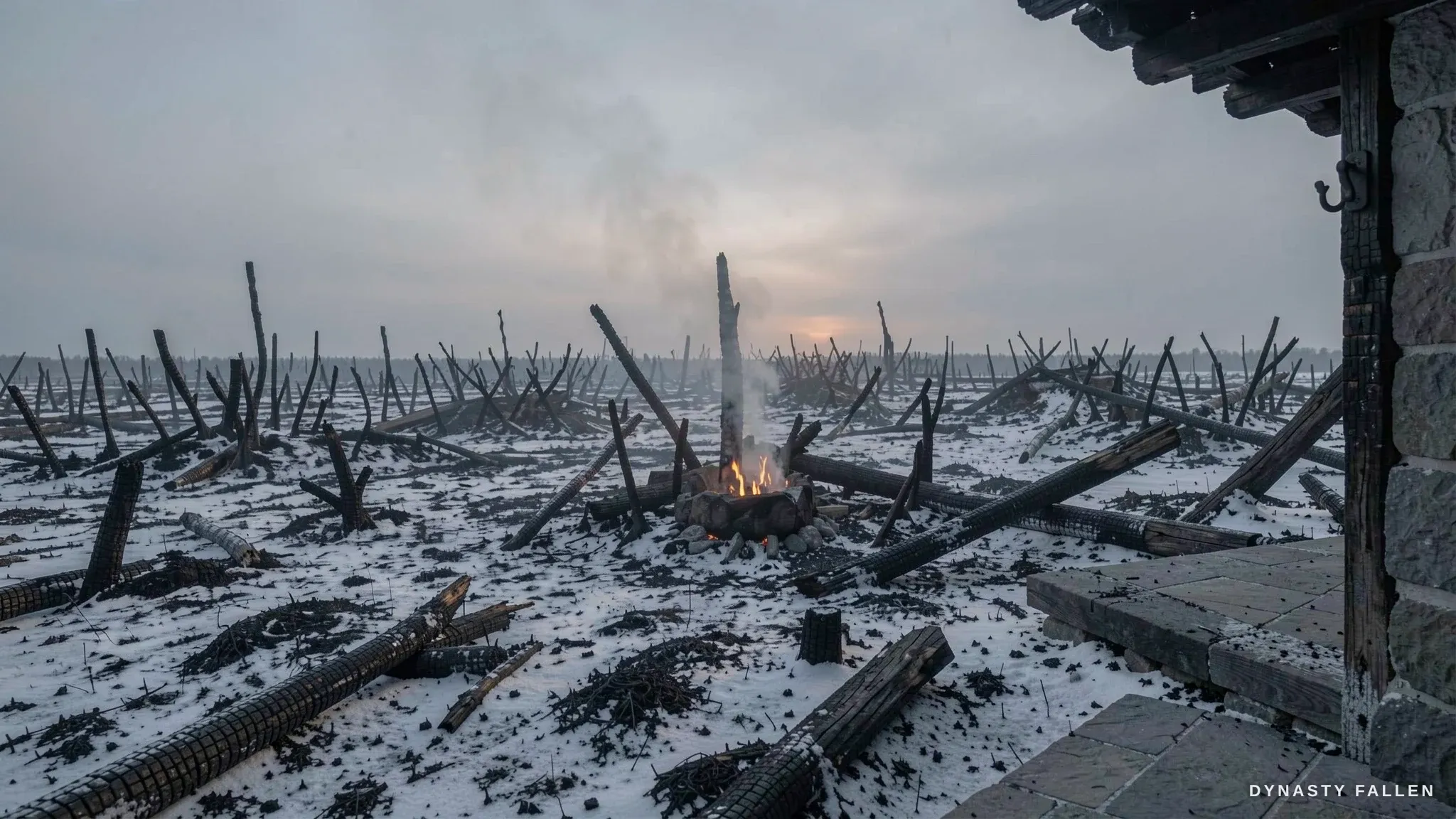
Snorri names two suitors burned in the hall — Vissavald and Harald Grenske. Other late retellings give different numbers, different names, or fold the episode into broader sequences of suitor-violence common in saga tradition. Whether the historical episode (if any) involved two kings, more, or none, the saga has stabilised at two. The album uses Snorri’s pair.
A note on stance
Why the album holds the position it does
History writes most of these women out. The sagas write them in — sometimes invented, sometimes amplified, sometimes carrying a fragment of truth that survived the centuries. The album takes the saga seriously not because it's the most accurate version of events, but because it's the version that preserved a queen at all.
If you want the cautious historical Sigrid, she married a king of Denmark, mothered a king of Sweden, and stood at the head of a dynasty. If you want Snorri's Sigrid, she burned the petty kings, took the slap, and spent ten years killing a king with patience.
Vol. VI is for Snorri's queen. This page is so you can hold both at once.
Sources & further reading
What the album draws from, and modern scholarship for digging deeper.Primary sources
- Heimskringla
The principal source. Sigrid's burnings, Olaf's courtship and the slap, and the Battle of Svolder all appear in the Saga of Olaf Tryggvason within Snorri's broader chronicle of the Norwegian kings. Written ~250 years after the events, working from older oral and skaldic tradition.
- Ágrip af Nóregskonungasǫgum
A short Norwegian regnal chronicle that predates Heimskringla by roughly forty years. Useful for triangulating where Snorri added drama versus where he was working from earlier material.
- Gesta Hammaburgensis Ecclesiae Pontificum
Continental, near-contemporary with the events. Mentions Sweyn Forkbeard's marriage in terms that don't cleanly match Snorri's.
- Chronicon
The earliest continental chronicler to discuss Sweyn's wife. Names her as a Polish princess.
- Skaldic verses on Svolder
Court poetry composed for the battle in the year of the battle. The closest thing we have to eyewitness accounts of Olaf's death.
- Encomium Emmae Reginae
A panegyric written for Cnut the Great's wife Emma. Drops genealogical detail relevant to Sigrid's line through Sweyn Forkbeard.
Modern scholarship
- Heimskringla
The current scholarly English translation. Replaces the older Laing (1844) and Hollander (1964) renderings.
- The Growth of the Medieval Icelandic Sagas (1180–1280)
The standard work on how saga tradition shaped — and in places invented — the figures it preserved.
- A History of the Vikings
Still the best single-volume narrative history of the Viking age in English.
- The Sea Wolves: A History of the Vikings
A more accessible recent narrative for general readers.
- Vikings: The North Atlantic Saga
Exhibition-companion volume with strong essays on women's social and political roles.
Read online
- Heimskringla
The Laing translation is dated and stylistically Victorian, but it's free, complete, and online.
sacred-texts.com → - Heimskringla (Finlay & Faulkes)
The scholarly translation, released as free PDFs by the Viking Society.
vsnrweb-publications.org.uk → - Wikipedia — Sigrid the Haughty
For a quick overview and a hyperlinked entry into the source-critical debate.
en.wikipedia.org →
Citations on individual claims above point to specific chapters and editions. The list here is the broader context — what to read next if you want to follow the queen out of the song and into the historical record.