What this song renders
The Battle of Svolder is one of the best-documented events of late Viking-age Scandinavia. The fact of the battle, its three-fleet structure, the destruction of Olaf’s Long Serpent, and Olaf’s death (by drowning or escape, contested) are confirmed by multiple independent sources: skaldic verses composed near the events, Adam of Bremen’s eleventh-century chronicle, the Encomium Emmae Reginae from c. 1041, and later saga literature. The political fact is bedrock.
What Heimskringla contributes — and the song renders — is the framing that the coalition was Sigrid’s long work. Snorri makes her the operational architect: the alliance forms because she presses her son, her husband, and Eiríkr individually across years of patient envoy-work. Modern historians vary on her share of the credit (Bagge, Sawyer, Lindow) — the medieval Scandinavian habit of casting queens as the agents behind every political event is well documented — but the political substance holds, and the album takes Snorri at his word.
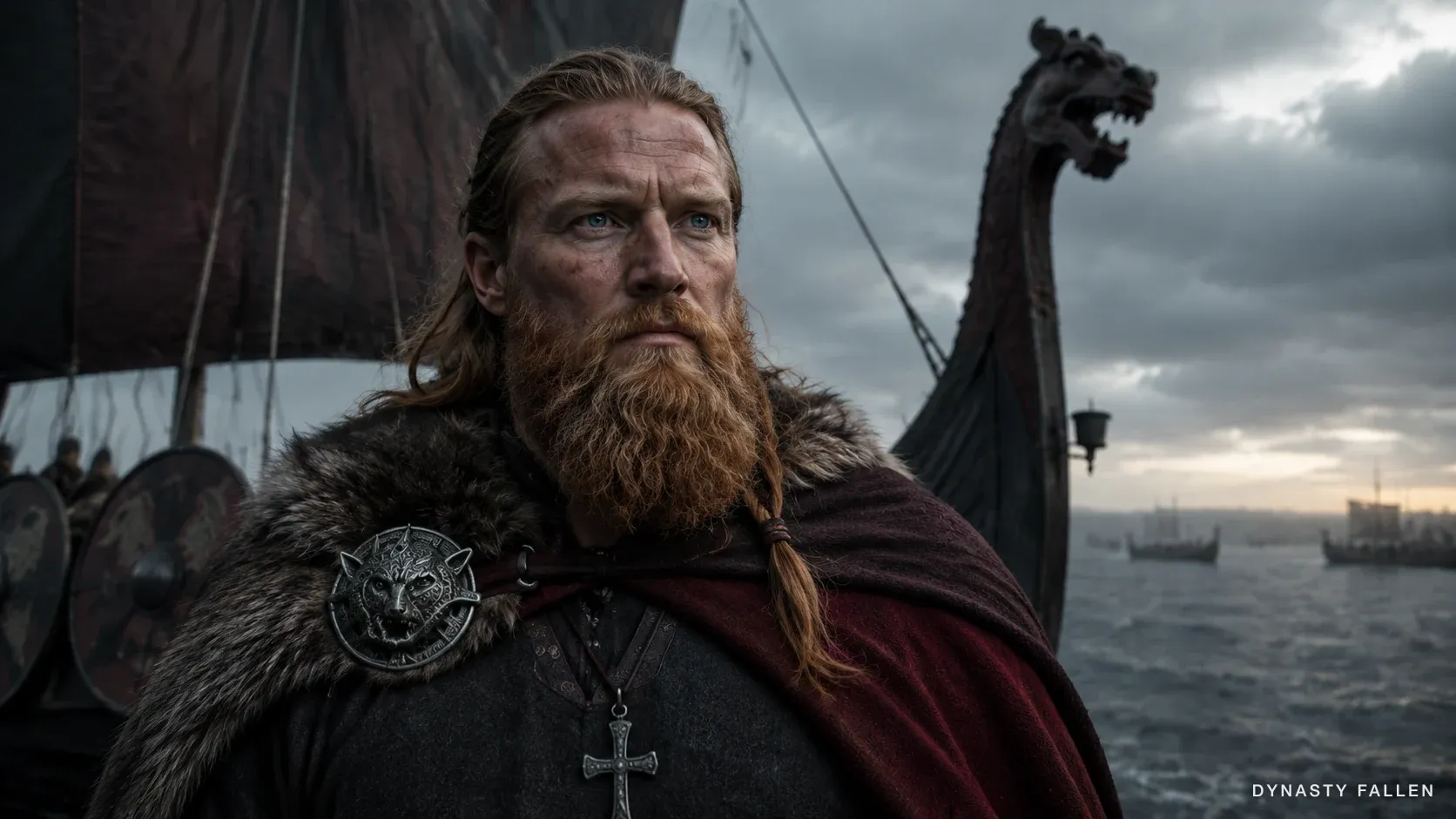
The song’s structural choice is its thesis. Act II of the song is the battle, and the battle has no vocals: Sigrid is not at the battle. She has not moved from her chair. The men at sea do the work she set in motion years ago. The 1–2 seconds of held silence between the battle’s end and Sigrid’s drained Act III voice are the structural seam — the moment the curse closes and the patient years complete their span.
The battle, the three-fleet structure, the destruction of the Long Serpent, and Olaf’s death are documented across multiple independent sources. Sigrid’s personal authorship of the coalition is from Heimskringla and is the album’s load-bearing saga claim — the political outcome is real, the agency-attribution is sagaic.